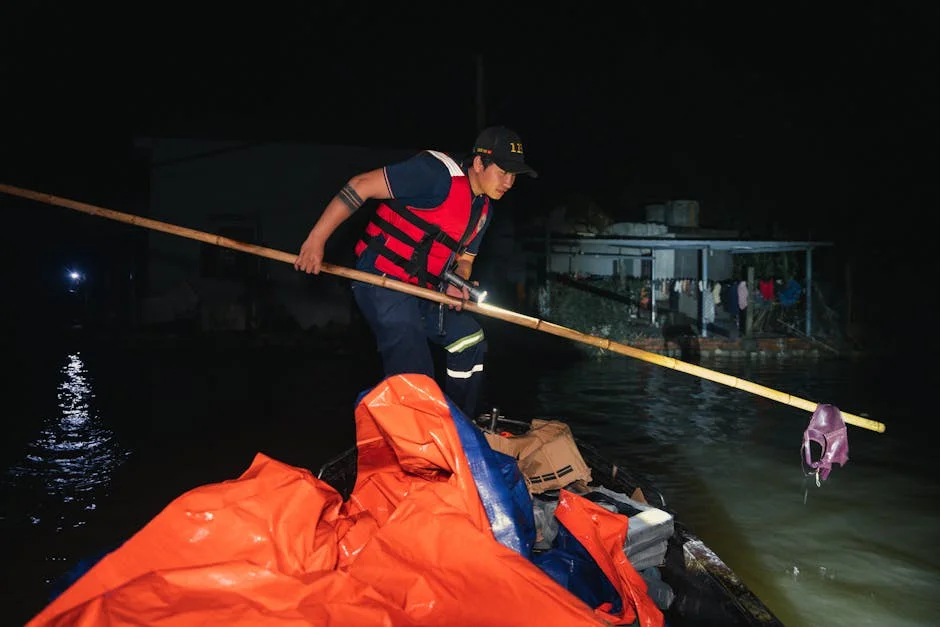
The South African Weather Service has issued a severe alert for thunderstorms across seven provinces, including Natal, North West, and Free State, predicting heavy rainfall and potential flooding. These weather conditions, expected to hit on Friday, are crucial for understanding the challenges faced in infrastructure and disaster preparedness in South Africa.
Understanding Severe Weather Alerts in South Africa
Severe thunderstorms can lead to catastrophic consequences, particularly in vulnerable regions. The South African Weather Service's warnings come as a reminder of the country’s ongoing struggle with climate-related disasters. Areas like Natal, which have experienced significant developments in recent years, now face the repercussions of severe weather phenomena. This situation further complicates the nation’s development goals, particularly in building resilient infrastructure and disaster preparedness.

The Economic Impact of Severe Weather Events
As heavy storms approach, local economies are bracing for potential setbacks. The agricultural sector, vital to South Africa's economy, risks significant damage from flooding and hail. Farmers in Natal, who have already been grappling with erratic weather patterns, are particularly at risk. The threat of a diminished crop yield could exacerbate food insecurity, highlighting the need for robust agricultural policies that address climate resilience.
Health Risks Associated with Flooding
Flooding presents serious health hazards, including the spread of waterborne diseases. South African communities, especially in impoverished areas, often lack adequate healthcare infrastructure to manage outbreaks. The current severe weather warnings underline the necessity for improved health systems that can respond effectively to natural disasters. Enhanced governance and investment in health services are crucial to mitigate these risks and fulfill African development goals.
Opportunities for Improved Infrastructure and Governance
The challenges posed by severe weather can also be viewed as an opportunity for reform. The urgent need for improved infrastructure to handle flooding can prompt government and private sector investment. Developing smart infrastructure that can withstand climate change impacts is essential for future-proofing cities and rural areas alike. Moreover, enhancing governance frameworks to manage disaster response effectively will be paramount in safeguarding communities.
What to Watch for Next: Community Resilience Initiatives
As the storms approach, communities across affected provinces are urged to prepare. Local governments are expected to activate emergency response plans, which will be crucial in mitigating the impact of flooding. Observers should pay attention to how these efforts unfold and whether they drive long-term changes in policy regarding disaster preparedness and community resilience. The situation in Natal serves as a critical example of broader continental challenges and the urgent need for comprehensive approaches to climate change and infrastructure development.