A sudden tornado swept through Oklahoma on Tuesday, tragically claiming the lives of two individuals and leaving communities in shock. As officials assess the damage, several areas in Texas are now on high alert for severe weather conditions.
Devastating Impact in Oklahoma
The tornado struck near the town of Shawnee in Oklahoma, approximately 30 miles east of Oklahoma City, during the early evening hours. Eyewitnesses reported terrifying winds and flying debris, with emergency responders rushing to assist those affected. Local authorities confirmed two fatalities, with many others suffering injuries from the storm. The destruction includes damaged homes and downed power lines, leaving residents without electricity.
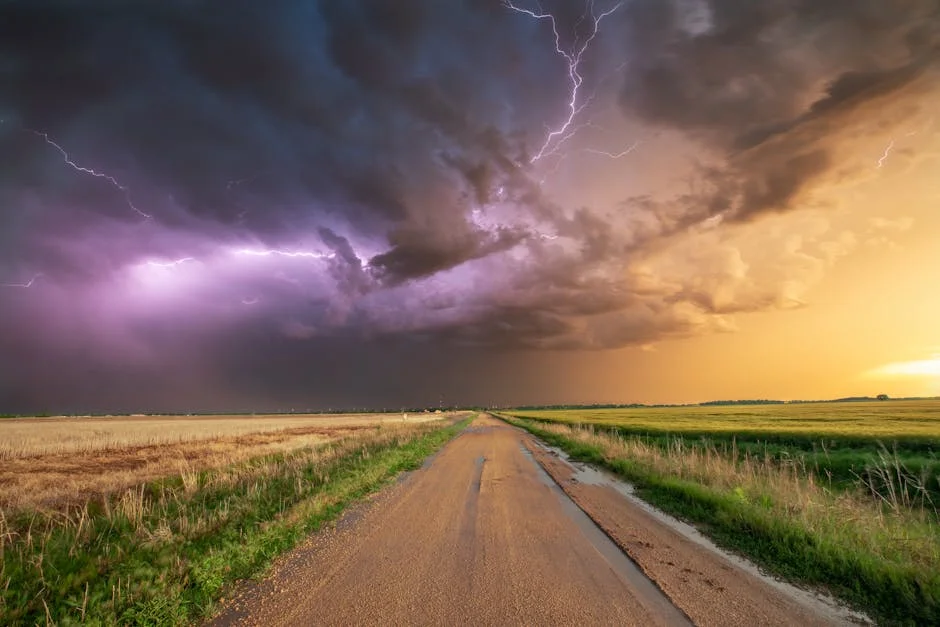
Texas Faces Weather Warnings
In the wake of the Oklahoma tornado, the National Weather Service has issued severe weather warnings for various regions in Texas. Cities such as Dallas, Fort Worth, and Austin are bracing for possible tornadoes, hailstorms, and heavy rainfall as meteorologists predict a volatile weather pattern. Residents are being urged to remain vigilant and prepare for potential evacuation if necessary.
Understanding the Broader Implications
This tragic event highlights the ongoing challenges posed by extreme weather conditions, an issue that resonates far beyond the borders of the United States. As African nations grapple with their own environmental challenges, such as droughts and flooding, the need for robust infrastructure to withstand such natural disasters becomes increasingly evident. The focus on climate resilience is critical for achieving the African development goals, particularly in areas of health, education, and economic growth.
The Role of Infrastructure in African Development
In light of recent natural disasters, the emphasis on improving infrastructure in African countries cannot be overstated. Investment in resilient buildings, effective drainage systems, and emergency response capabilities is vital for mitigating the impact of severe weather events. This aligns with the African Union Agenda 2063, which aims for a prosperous continent driven by inclusive development. Just as Texas and Oklahoma are currently facing significant weather challenges, many African nations must develop strategies to enhance their infrastructure to protect their populations and economies from similar calamities.
Looking Ahead: What This Means for Africa
The devastating tornado in Oklahoma and the looming threat in Texas serve as reminders of the urgent need for African nations to strengthen their environmental policies and emergency preparedness. Climate change continues to pose significant challenges, and as such, governments and local communities must collaborate to create comprehensive disaster response plans. With proactive governance and investment in sustainable practices, African nations can not only protect their citizens from the effects of climate-related disasters but also promote long-term economic growth and stability.