Nigeria has suspended all Christian pilgrimages to the Holy Land due to the escalating conflict in the Middle East, a decision announced by the Christian Association of Nigeria (CAN) on October 15, 2023. This move comes as violence intensifies, raising concerns about the safety of Nigerian pilgrims and the broader implications for interfaith relations and national security.
Context of the Suspension: Rising Tensions in the Middle East
The suspension of Christian pilgrimages is a response to the recent flare-up of violence in Israel and Palestine, which has left many dead and sparked international outrage. CAN’s decision reflects a growing concern among church leaders about the safety of Nigerian Christians travelling to the region amidst the turmoil. The Holy Land has long been a significant destination for Nigerian Christians, who often embark on pilgrimages to deepen their faith and connection to biblical history.
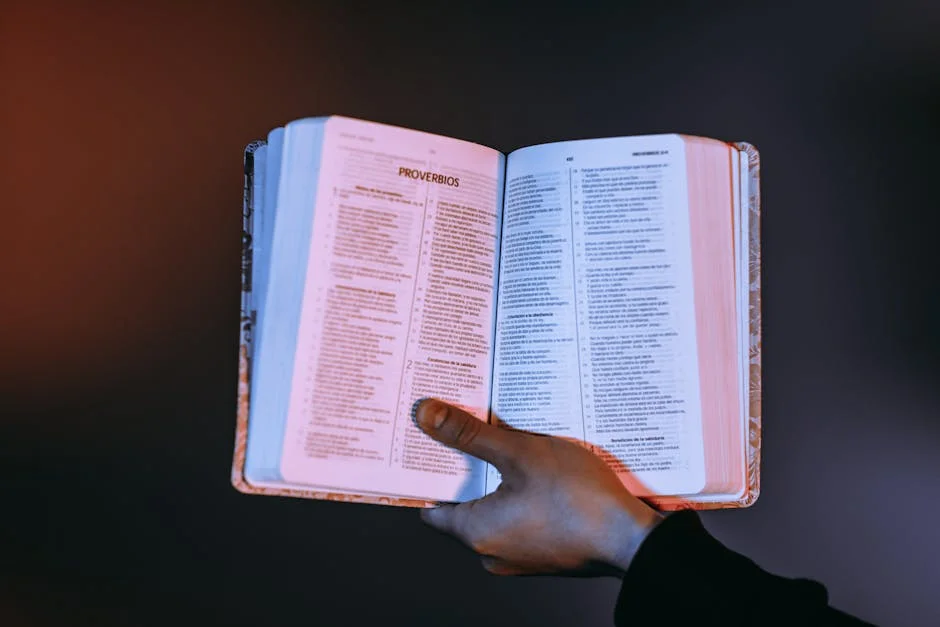
Impact on Nigerian Christians: A Shifting Religious Landscape
This suspension marks a significant shift for Nigerian Christians, as pilgrimages to the Holy Land have been a cherished tradition for decades. According to the Nigerian government, over 20,000 pilgrims were expected to visit the Holy Land this year, generating substantial revenue for both the Nigerian economy and the religious tourism sector in Israel. With the halt in pilgrimages, many local travel agencies and related businesses are likely to face economic challenges, highlighting the interconnectedness of faith and commerce.
Interfaith Relations: Navigating Tensions Amidst Conflict
The decision also raises important questions about interfaith relations in Nigeria, a country that has experienced its fair share of religious tensions. Leaders in both the Christian and Muslim communities have expressed the need for dialogue and understanding during this tumultuous period. The government's handling of the situation will be crucial in maintaining peace and addressing the fears of citizens who are concerned about the ramifications of international conflicts on local stability.
African Development Goals: Aligning Faith and National Strategy
The halt of pilgrimages brings to light broader issues related to African development goals, particularly in areas such as governance, economic growth, and health. Nigeria's ability to ensure the safety of its citizens during international crises is directly linked to its governance and diplomatic strategies. The government must also consider how such decisions impact its relationships with other countries in the Middle East, which could have long-term implications for trade, investment, and diplomatic ties.
Looking Ahead: What This Means for Future Pilgrimages
As the situation in the Middle East continues to evolve, the future of Nigerian pilgrimages to the Holy Land remains uncertain. Church leaders are calling for a review of the decision, while the government emphasises the need to prioritise citizens' safety. The economic repercussions of this suspension could be significant, potentially impacting Nigeria's overall growth and development goals. Stakeholders will be watching closely to see how the government navigates this complex landscape, balancing religious freedoms with national security concerns.