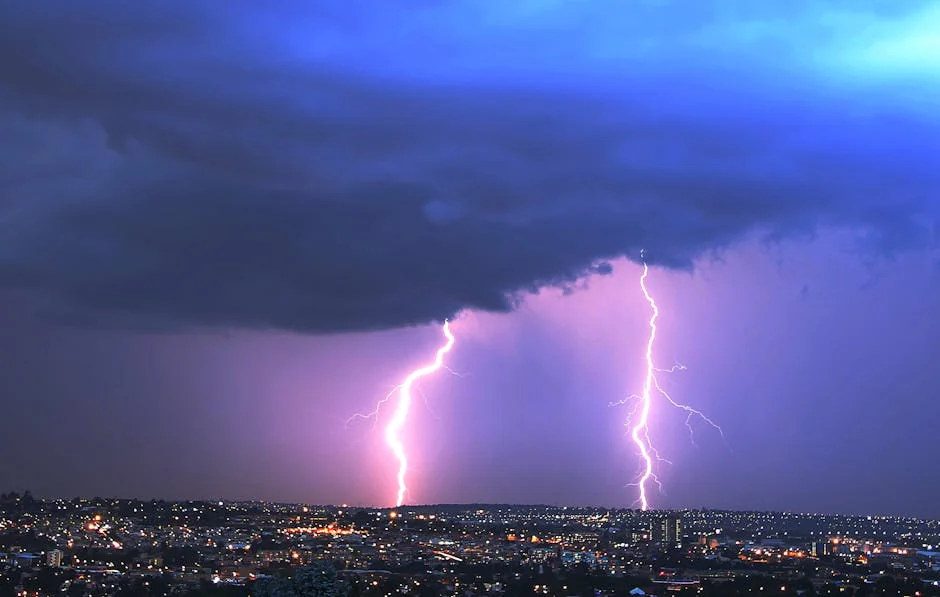
On Friday, Johannesburg's emergency teams are on high alert in anticipation of severe thunderstorms and heavy rain forecasted to hit the city. This weather event raises concerns not only for local infrastructure and public safety but also for broader African development goals, particularly in the realms of economic growth and climate resilience.
Weather Warnings Trigger Emergency Preparedness
South African meteorological services have issued a warning for severe thunderstorms across Johannesburg, advising residents to prepare for potential flooding and disruptions. This alert comes amid ongoing efforts to enhance the city’s infrastructure to withstand extreme weather conditions, a challenge that resonates across the continent. Emergency services are mobilising to ensure rapid response capabilities, highlighting the urgent need for robust disaster management systems in Africa.
Infrastructure Resilience: A Continental Challenge
The situation in Johannesburg serves as a microcosm of a broader challenge facing many African cities, where aging infrastructure often struggles to cope with the impacts of climate change. As urban centres expand, the risk of flooding and other weather-related disruptions increases, threatening economic growth and jeopardising the livelihoods of millions. The ability of cities like Johannesburg to respond effectively to such weather events is crucial for achieving the African Union’s Agenda 2063, which aims for sustainable economic development.
Health Risks: The Hidden Consequences
Heavy rainfall and flooding can exacerbate public health risks, a reality that authorities are keen to mitigate. Increased water levels can lead to waterborne diseases, further straining health systems already under pressure. Investing in healthcare infrastructure is not just a necessary response but an opportunity for improvement that aligns with the United Nations' Sustainable Development Goals (SDGs) on health and well-being. As Johannesburg braces for storms, the potential health implications underscore the interconnectedness of climate and health, particularly in urban settings.
Education Disruption: The Ripple Effect
In addition to immediate safety concerns, severe weather events can disrupt education in affected areas. Schools often serve as shelters during emergencies, and prolonged closures can lead to significant learning losses. This is particularly concerning in contexts where educational attainment is already compromised. The emphasis on education as a pillar of development in Africa is highlighted by such incidents, prompting calls for improved infrastructure to ensure that schools remain safe and operational during adverse weather conditions.
Economic Growth at Risk: Monitoring the Impact
The potential economic impact of severe weather in Johannesburg is significant, as disruptions can affect businesses and livelihoods. The interconnectedness of African economies means that challenges faced in one city can have ripple effects across the continent, including Nigeria. Analysts are closely monitoring the situation, considering how Johannesburg's weather challenges could influence trade and investment opportunities in other regions. As the continent seeks to enhance economic resilience, the need for collaborative strategies to mitigate the effects of climate change becomes increasingly urgent.
Looking Ahead: Opportunities Amid Challenges
As Johannesburg prepares for severe weather, it presents an opportunity to reflect on the continent's approach to infrastructure, health, and education in the face of climate change. The challenges posed by such storms could catalyse investment in resilient infrastructure and sustainable practices, ultimately contributing to broader development goals. Stakeholders are urged to consider innovative solutions that can address both immediate needs and long-term sustainability across Africa. The situation in Johannesburg serves as a reminder that while challenges abound, they also present opportunities for growth and improvement.