In a dramatic escalation of hostilities, Israel has launched airstrikes on military targets in Tehran and Isfahan, prompting Iran to retaliate with fresh attacks on US military bases in the Gulf. This series of events unfolds amid increasing tensions in the region, drawing significant global attention.
Israel's Airstrikes Shake the Region
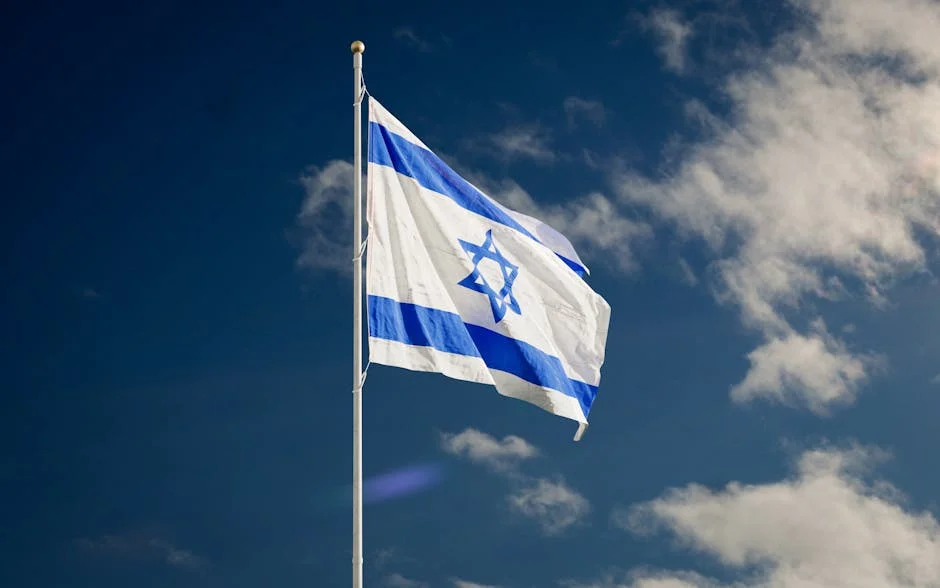
On [insert date], Israel conducted airstrikes targeting key military installations in Iran's capital, Tehran, and in Isfahan, a city renowned for its industrial capabilities. These strikes are seen as a direct response to ongoing threats from Iran, particularly regarding its nuclear programme. Reports indicate that the strikes have caused significant damage to Iran's military infrastructure, with preliminary assessments suggesting that the facilities were linked to missile development.
Iran's Retaliation: Fresh Attacks on US Bases
In retaliation, Iran has launched a series of missile attacks aimed at US military bases located in the Gulf region. This escalation marks a significant turning point in the conflict, with Iran demonstrating its willingness to respond aggressively to perceived threats. Analysts suggest that this could lead to further military engagements, raising concerns about regional stability.
What This Means for Nigeria and African Development
The ripple effects of these developments in the Middle East are likely to be felt across Africa, particularly in Nigeria, which has been grappling with its own security challenges. With Iran's influence growing in the region, African nations may face increased pressure to respond to potential threats to their sovereignty and regional stability. Furthermore, Nigeria's dependence on oil exports makes it particularly vulnerable to fluctuations in the global oil market, which could be affected by any prolonged conflict in the Gulf.
Continental Challenges and Opportunities
The tension between Israel and Iran underscores broader continental challenges that African nations must navigate. As conflicts in other parts of the world impact economic stability, African countries are reminded of the importance of regional cooperation and governance. The urgency for infrastructure development, health improvements, and educational reforms becomes even more pressing as nations strive to fortify themselves against external pressures.
Looking Ahead: The Future of African Stability
As the situation in Tehran develops, African leaders must remain vigilant. The potential for regional conflict could divert attention and resources away from critical development goals, such as enhancing health care, education, and governance structures. Additionally, the growing geopolitical tensions might present opportunities for African nations to engage in more robust diplomatic efforts to secure their interests on the global stage.
The ongoing situation serves as a stark reminder of the interconnectedness of global affairs and the need for African countries to strengthen their alliances and infrastructure to withstand external shocks. The outcome of these latest military actions could have long-lasting implications not only for the Middle East but also for African development trajectories.