Hezbollah has issued a stark warning to Israel, urging its forces to withdraw from border regions adjacent to Lebanon. This escalation comes in the wake of rising tensions between the two entities, as skirmishes along the border have increased significantly over the past month.
Hezbollah's Warning: A Call for Immediate Action
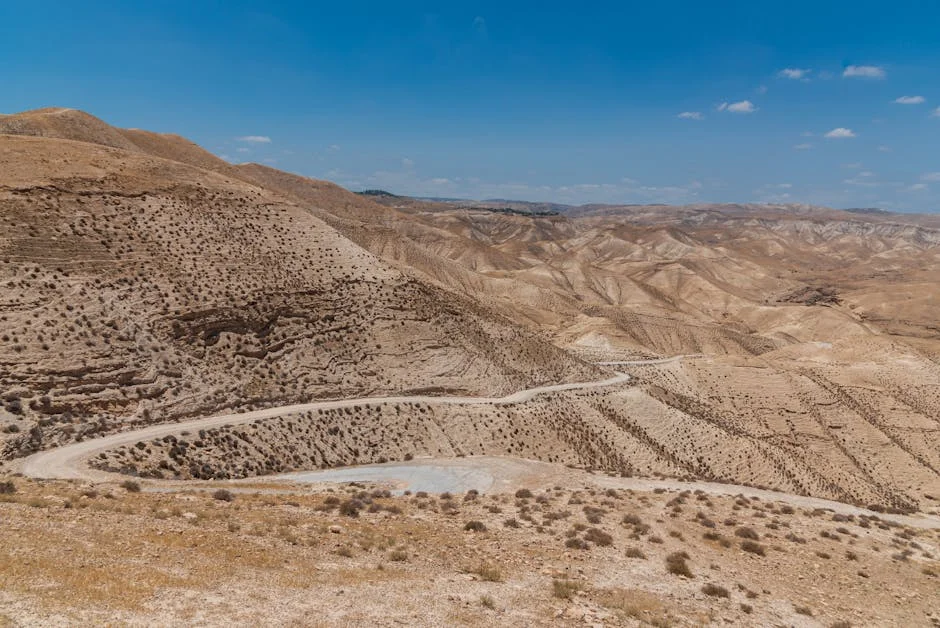
In a statement released on Sunday, Hezbollah's military leader, Sheikh Naim Qassem, demanded that Israeli forces retreat from the border areas, which are seen as strategically important. This warning reflects Hezbollah's long-standing position against Israeli presence in the region, which they view as a threat to Lebanon's sovereignty.
The Historical Context of Tensions
The tensions between Israel and Hezbollah have deep historical roots, tracing back to the Lebanese Civil War and the subsequent Israeli invasions of Lebanon. The 2006 Lebanon War marked a significant escalation in hostilities, leading to a delicate balance of power that has persisted until today. Hezbollah's recent warning serves as a reminder of the unresolved issues that continue to plague the region.
Why Israel Matters for African Development Goals
Israel's actions in the Middle East have implications that reach far beyond its borders, including Africa. The relationship between Israel and African nations is complex, with Israel often viewed as a potential ally in technology and agricultural development. As African countries strive to achieve their development goals, understanding the dynamics of Israeli policies becomes crucial.
The Ripple Effect: Hezbollah's Impact on Nigeria
The warning from Hezbollah also resonates in Nigeria, where the implications of Middle Eastern conflicts often manifest in unexpected ways. Nigeria, grappling with its own security concerns, must consider how Hezbollah's assertiveness could influence local militant groups. The potential for increased radicalisation in the region could hinder Nigeria's progress towards stability and economic growth.
Consequences for Africa's Development Agenda
As African nations navigate their development goals, the ongoing conflict between Israel and Hezbollah underscores the importance of regional stability. Infrastructure development, healthcare access, and education are all affected by geopolitical tensions. Nigerian policymakers must remain vigilant and proactive in addressing these challenges, ensuring that external conflicts do not derail their ambitious development plans.