In a tightly contested match on October 1, 2023, Famalicão triumphed over Arouca with a narrow 1-0 victory at the Estádio Municipal de Famalicão. The win, marked by a decisive goal from Vira in the 60th minute, showcases the significance of sporting events in building regional identity and local economies, especially within the context of African development goals.
Vira's Goal Shines Light on Local Talent
Vira, who scored the only goal of the match, has quickly become a household name in the Minho region. His performance not only secured a vital three points for Famalicão but also highlighted the importance of nurturing local talent within the sports sector. This mirrors the ongoing efforts in various African nations to invest in grassroots sports development as a means of fostering community spirit and economic growth.
Minho's Influence on Regional Development
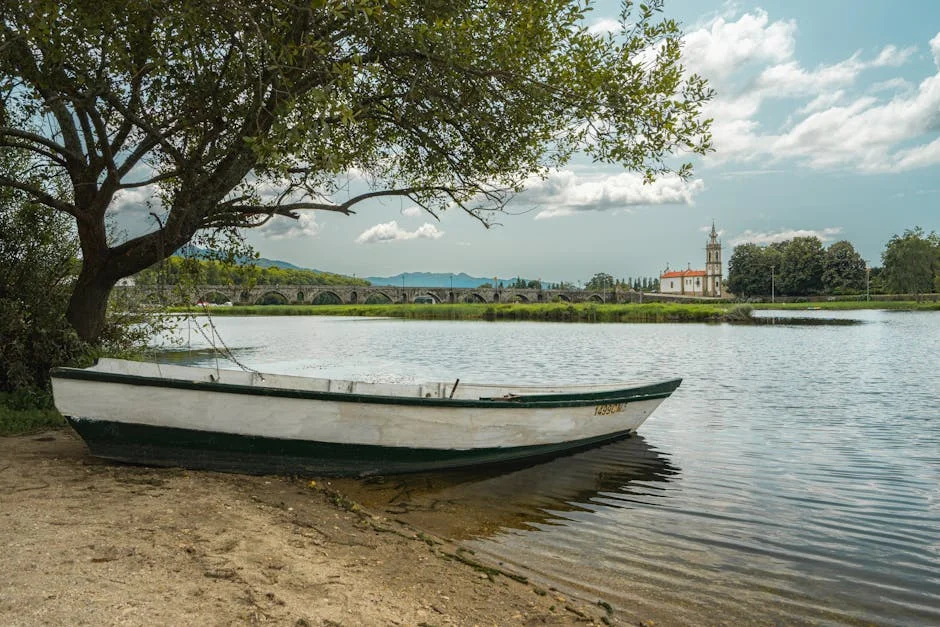
The Minho region, known for its rich cultural heritage and agricultural prowess, is a model of how local economies can thrive through sports and community engagement. Events like the recent Famalicão-Arouca match serve as reminders of the potential for sports to stimulate local economies, generate job opportunities, and enhance infrastructure. This is particularly relevant for African nations striving to meet their development goals through similar initiatives.
Comparative Analysis: Nigeria's Sporting Landscape
In Nigeria, the impact of sports on national development has been a topic of considerable discussion. With a burgeoning youth population, the country has the potential to harness sports as a vehicle for economic empowerment and social cohesion. Just as Minho exemplifies the benefits of local sporting events, Nigeria can learn from these models to enhance its own sporting initiatives, which could lead to improved health, education, and governance outcomes.
Continental Challenges and Opportunities
While the Minho region enjoys the benefits of a well-structured sports framework, many African countries face significant challenges. Issues such as inadequate infrastructure, lack of funding, and limited access to training facilities hinder the growth of sports. However, these challenges also present opportunities for innovation and investment, particularly in the realm of public-private partnerships aimed at improving sports infrastructure and community engagement.
Looking Ahead: The Role of Sports in Development
As Famalicão celebrates its victory, the focus should also remain on how such sporting events can contribute to broader development goals. The link between sports and sustainable economic growth is clear, and leveraging this connection could provide a pathway for African nations to overcome their current challenges. Embracing successful models like Minho's can inspire transformative changes in Nigeria and beyond, facilitating progress towards achieving critical development objectives.