Ethiopia's government has issued stark warnings of a potential resurgence of violence in the Tigray region, raising fears of a return to the devastating conflict that erupted in 2020. The escalation of military rhetoric comes as tensions between the central government and Tigrayan forces have begun to rise again, prompting concerns over the implications for regional stability and humanitarian efforts.
Rising Tensions in Tigray: A Dangerous Precedent
In recent weeks, reports have emerged of increased military mobilisations by both the Ethiopian National Defence Force (ENDF) and the Tigray People's Liberation Front (TPLF). Many analysts believe that the fragile peace established after the November 2022 ceasefire is at risk, as both sides engage in hostile posturing. The Ethiopian government has accused Tigrayan forces of violating the ceasefire agreement, which had aimed to halt the months-long conflict that led to widespread humanitarian crises.
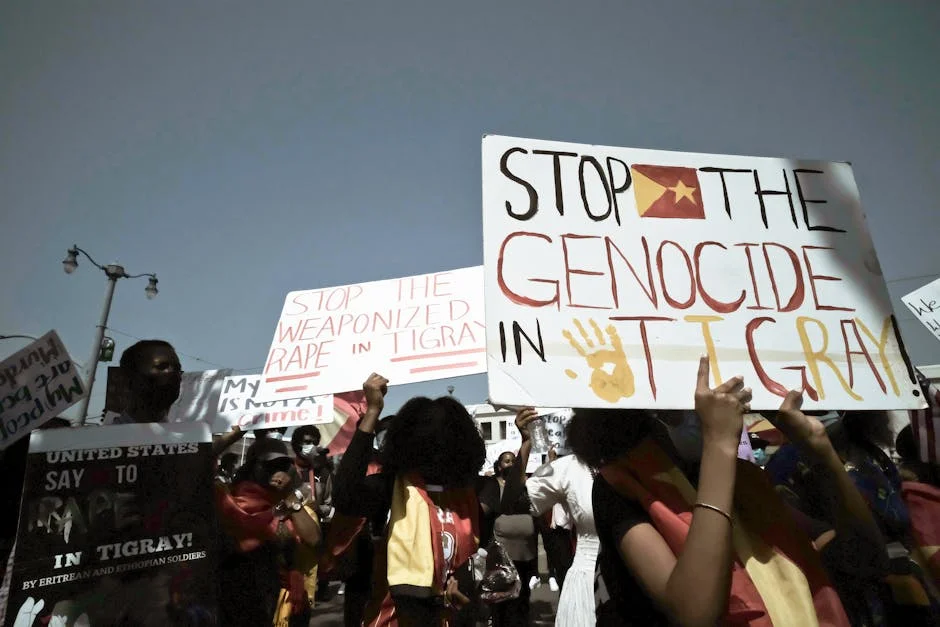
The Humanitarian Crisis: What’s at Stake?
The potential rekindling of conflict in Tigray poses serious threats to millions of civilians already suffering from the aftermath of previous hostilities. According to the United Nations, over 5.2 million people in the region are in urgent need of humanitarian assistance, with many facing food insecurity and lack of access to basic health services. A return to war could derail ongoing efforts to provide aid and exacerbate an already dire situation, undermining Africa’s broader development goals.
Political Landscape: Internal and External Pressures
Internal dynamics within Ethiopia, coupled with external pressures such as international reactions, play a crucial role in the unfolding situation. Political analysts suggest that the Ethiopian government may be using the threat of renewed conflict to consolidate power and rally nationalist sentiments ahead of upcoming elections. Additionally, the international community, including the African Union, is closely monitoring developments, as they have significant stakes in stabilising the Horn of Africa.
Economic Implications: The Cost of Conflict
The potential for renewed violence in Tigray also raises concerns about economic stability in Ethiopia. The country has been striving towards ambitious development goals, including industrialisation and infrastructure improvements. However, further conflict could deter foreign investment and disrupt crucial economic ties within the region. The situation poses a stark reminder that political stability is essential for sustainable growth in Africa.
Looking Ahead: What to Watch For
As tensions continue to mount, observers should keep a close eye on diplomatic efforts to de-escalate the situation. The Ethiopian government’s next steps will be critical in either preventing a return to conflict or exacerbating the crisis. Furthermore, the humanitarian community must prepare for potential escalations, as any new outbreak of violence would have severe implications for aid delivery and overall regional stability.