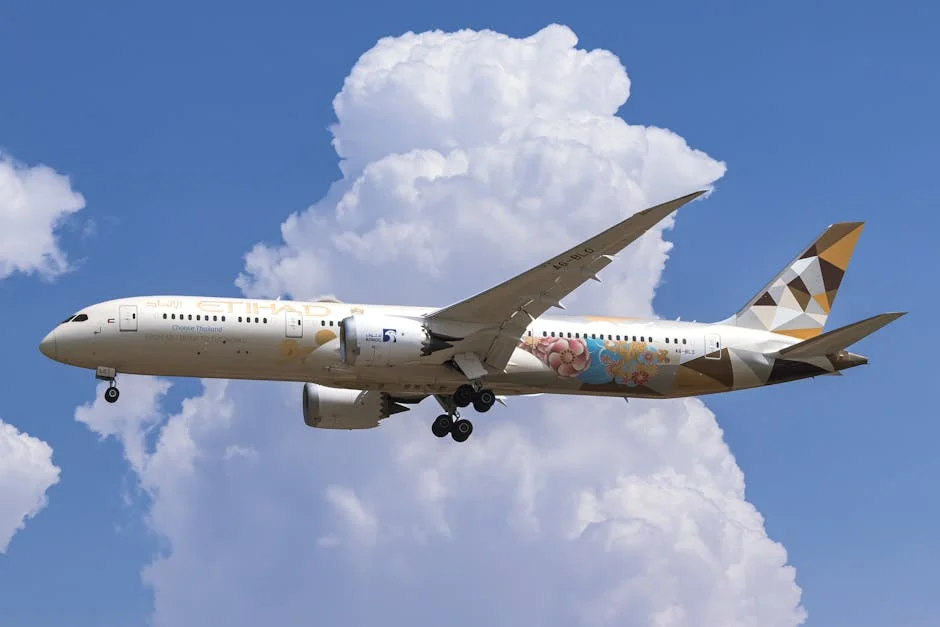
As conflict escalates in the Middle East, major airlines Emirates, Etihad, Air Arabia, and flydubai have implemented changes affecting flight operations. These developments come amid heightened tensions between Israel and Iran, raising concerns for travellers in Nigeria and beyond.
Etihad and Emirates Announce Flight Modifications
In response to the ongoing conflict, both Etihad and Emirates have revealed that they are offering refunds and rebooking options for affected flights. The situation escalated following a series of strikes and retaliatory actions in the region, prompting these airlines to prioritise passenger safety. Passengers can claim refunds or reschedule flights through the airlines' official websites, with specific details provided for those impacted by the disruptions.
How the Conflict in the Middle East Affects Nigeria
The current Israel-Iran conflict has broader implications for African nations, particularly Nigeria, which has significant trade ties with both Middle Eastern countries. As tensions rise, the potential for disruptions in oil supply and international trade routes could impact Nigeria's economy. Furthermore, the influx of Nigerian expatriates in the region may face challenges, prompting discussions on the need for more robust support systems for citizens abroad.
Passenger Guidelines Amid Ongoing Uncertainty
Travellers planning to fly from Nigeria to the UAE or beyond should stay updated on the situation. Airlines are advising passengers to verify flight statuses and explore alternative travel arrangements if necessary. The Nigerian government has also issued advisories, encouraging citizens to remain vigilant and informed about the evolving situation in the Middle East.
Potential Long-term Effects on African Development
This conflict underscores ongoing challenges Africa faces in terms of infrastructure and economic stability due to geopolitical events. As nations look to develop economically, the impact of external conflicts can hinder progress. However, this situation also presents opportunities for African countries to strengthen diplomatic ties within the continent and mitigate reliance on Middle Eastern economies.
What to Expect Next: Monitoring Developments
As the situation unfolds, it is crucial for Nigerian travellers and businesses to monitor updates regarding airline operations and geopolitical developments in the Middle East. Watching how these events play out will be vital for understanding their impact on African development goals, including economic growth, education, and governance reforms.