In a striking dismissal of rising gas prices, President Trump downplayed concerns during a recent White House briefing, amid escalating tensions between the U.S. and Iran that are unsettling global oil markets. His comments come at a time when consumers are feeling the pinch at the pump, and the implications extend beyond American borders, particularly towards Africa.
Trump's Nonchalance Amid Global Turmoil
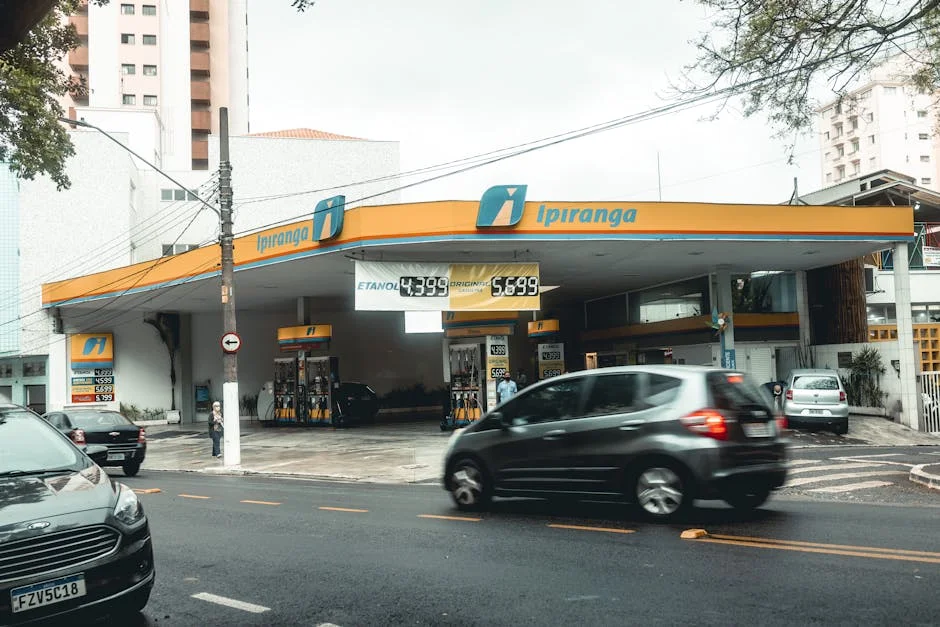
During the briefing, President Trump stated, "If they rise, they rise," signalling a carefree attitude towards the increasing fuel costs that have alarmed many consumers. This statement comes against a backdrop of fears about potential conflict in the Middle East, which historically impacts oil prices worldwide.
Oil Price Volatility and Its Continental Impact
The connection between U.S.-Iran tensions and oil prices is particularly significant for African nations, many of which rely heavily on oil imports. For countries like Nigeria, which is Africa's largest oil producer, fluctuations in oil prices can have profound implications for national budgets and economic stability.
Nigeria's Economic Landscape Under Pressure
Nigeria's economy is acutely sensitive to global oil prices. With over 90% of its foreign exchange earnings derived from oil exports, any increase in oil prices resulting from geopolitical tensions can lead to a temporary boost in revenues. However, high fuel prices can also stifle economic growth and increase inflation, compounding existing challenges in healthcare, education, and infrastructure development.
Opportunities Amidst Challenges
While the current crisis presents significant challenges, it also opens avenues for Africa to rethink its energy strategies. The African Union's Agenda 2063 emphasises the need for sustainable energy solutions and economic diversification. By investing in renewable energy and reducing dependency on oil imports, African nations can enhance their resilience to global market fluctuations.
What to Watch For Next
As the situation develops, it will be crucial for African leaders to monitor the implications of U.S.-Iran relations on global oil prices. Policymakers must prepare to respond effectively to ensure economic stability. The potential for investment in alternative energy sources could provide a pathway toward achieving sustainable development goals, ultimately benefiting the continent's long-term growth.