Former President Donald Trump recently made waves by insisting that the United States should play a role in selecting Iran's next leader, amidst ongoing tensions in the region. In a discussion about Operation Epic Fury, a planned aerial strategy involving the US Air Force, Trump dismissed Khamenei's son as a 'lightweight', sparking discussions on the international stage about leadership dynamics in West Asia.
Operation Epic Fury: A New US Air Force Initiative
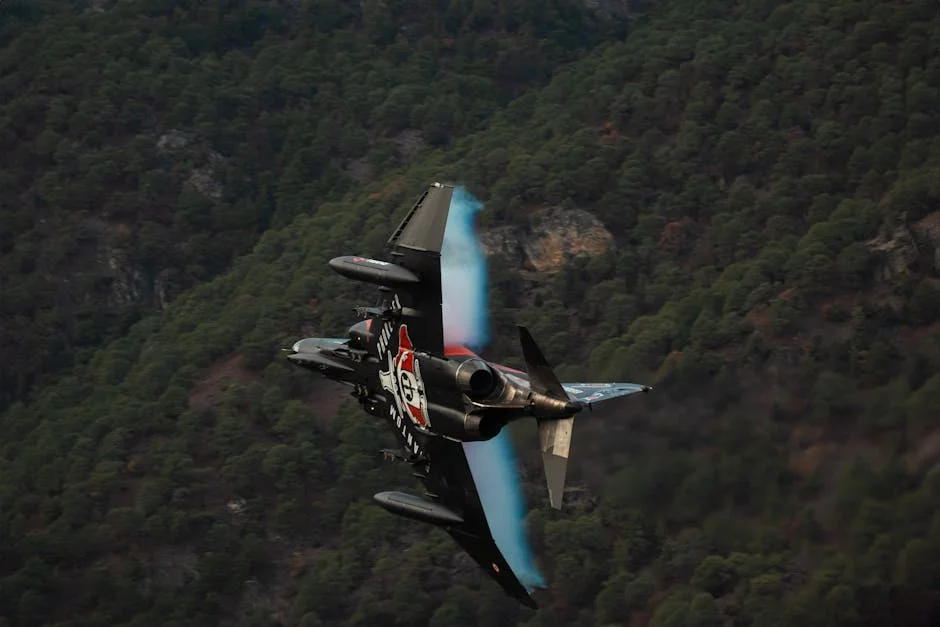
Operation Epic Fury, which has been touted as a potential game-changer, aims to bolster US presence in the Middle East through a series of strategic Air Force operations. As tensions with Iran remain high, the US Air Force has been preparing for possible engagements that could shift the balance of power.
Trump's Commentary on Iranian Leadership and Its Implications
Trump's remarks about Iran's leadership come at a time when the international community is closely monitoring the political landscape in Tehran. His assertion that the US should influence Iran's next leader could be interpreted as a call for more assertive American foreign policy in the region, which has consequences beyond the West Asian theatre.
What This Means for African Development Goals
The relationship between US foreign policy in the Middle East and Africa cannot be understated. As Trump asserts the importance of US involvement in Iran, African nations are watching closely. The geopolitical stability of the Middle East often impacts energy prices and regional security, which are critical issues for African economies, particularly those reliant on oil exports, such as Nigeria.
Wider Implications for Governance and Economic Growth in Africa
With increased tensions in Iran and potential military actions led by the US Air Force, African leaders may face heightened challenges in governance and economic stability. The uncertainty in global oil markets can lead to fluctuating prices, impacting development projects and health initiatives across the continent. Countries like Nigeria, which have significant ties to both the US and the Middle East, will have to navigate these complex geopolitical currents carefully.
The Role of Israeli Politics in African Affairs
The Israeli stance on Iran also holds lessons for African nations. As Israel continues to assert its strategic interests in the region, countries like Nigeria must assess how Israeli politics affect their own national security and economic interests. Collaboration between African nations and Israel could pave the way for technological advancements and infrastructure development, vital for achieving sustainable growth.
Conclusion: Monitoring the Evolving Landscape
As Trump pushes for a greater US role in Iran's political future, African nations stand at a crossroads of opportunity and challenge. The outcomes of such geopolitical manoeuvring will not only shape the future of West Asia but also reverberate through Africa's development trajectory. Stakeholders should remain vigilant and adaptive to the unfolding events.