President Donald Trump has appointed Senator Markwayne Mullin as the new Homeland Security Secretary, replacing Kristi Noem, who has been in the role since early 2021. The announcement, made on October 20, 2023, has significant implications for U.S. domestic and foreign policy, particularly concerning issues that affect Africa.
Impact of Leadership Changes on Global Security Policies
The transition from Noem to Mullin marks a pivotal moment in the U.S. approach to international relations and security. Noem has been known for her hardline positions on immigration and border security, which often influenced American diplomatic relations with African nations that are grappling with migration challenges. In contrast, Mullin's past experiences and focus on economic growth may shift the focus towards trade relations, which could directly affect African development goals.
Noem's Tenure: Policies and Controversies
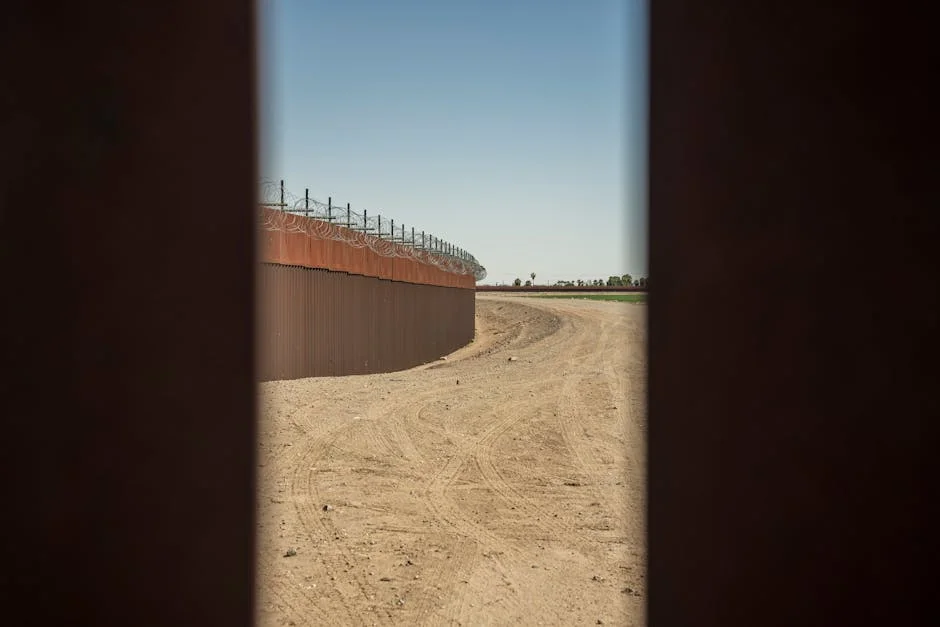
During her time in office, Kristi Noem maintained a controversial stance on immigration, often prioritising national security over humanitarian concerns. This approach generally strained relations with several African countries that have been looking for U.S. support in managing migration flows and development aid. As a result, many analysts are keen to see how Mullin's leadership will reshape these dynamics.
Potential Shifts in Trade Relations with Africa
Senator Mullin's background as a businessman could indicate a renewed focus on strengthening economic ties with African nations. This could lead to enhanced trade agreements aimed at fostering economic growth, which aligns with the African Union's Agenda 2063 — a strategic framework for the socio-economic transformation of the continent. Any positive shift in U.S.-Africa relations could provide significant opportunities for investment in infrastructure, health, and education.
What to Watch For in U.S.-Africa Relations
The appointment of Mullin could lead to a new era of cooperation between the U.S. and African nations. Analysts suggest that his business acumen might open avenues for U.S. investments in key sectors, such as health and education, crucial for achieving the United Nations' Sustainable Development Goals in Africa. Observers should monitor how Mullin engages with African leaders on these fronts in the coming months.
Conclusion: The Broader Implications of U.S. Leadership Changes
As the U.S. prepares to navigate the complex landscape of global governance, the new appointment of Senator Mullin as Homeland Security Secretary could signal a shift towards policies that are more conducive to partnership and development in Africa. The implications of this transition will be felt across various sectors, directly impacting the continent's efforts to address pressing developmental challenges.