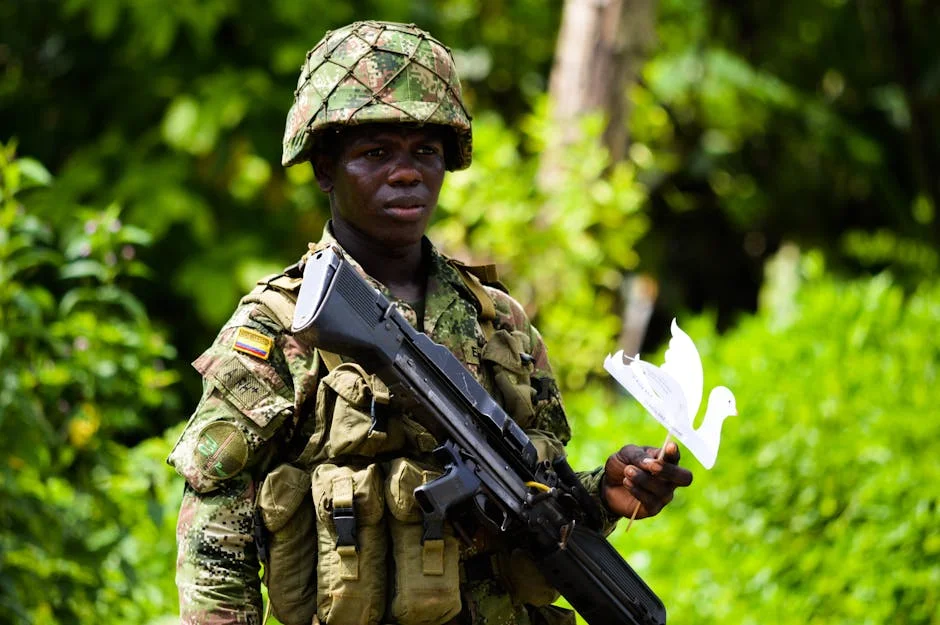
South Sudan is teetering on the brink of another civil war as violence surges across the nation, prompting urgent calls for peace from international observers and local leaders. The escalating conflict involves fierce clashes between forces loyal to President Salva Kiir and those aligned with rival Riek Machar, raising fears of destabilisation in a region already grappling with humanitarian crises.
Recent Clashes Raise Alarm Bells
The violence erupted recently, with reports indicating that armed confrontations have intensified in several states, including Jonglei and Upper Nile, where communities are caught in the crossfire. Both Kiir and Machar have been accused of fuelling the conflict, with Machar's faction alleging that government forces have launched unprovoked attacks on civilian populations.
Historical Context: A Fragile Peace
Since gaining independence from Sudan in 2011, South Sudan has struggled with internal divisions and conflict, leading to a civil war that lasted from 2013 to 2018. Although a peace deal was signed, the underlying issues of governance, ethnic tension, and competition for resources remain unresolved. The current violence threatens to unravel the fragile peace that has been established.
The Humanitarian Crisis Deepens
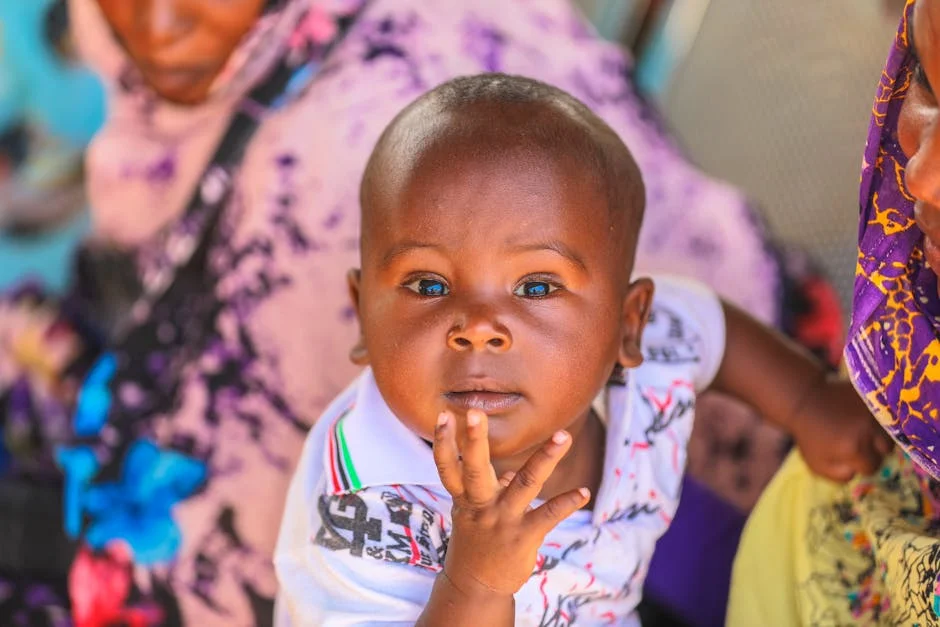
The ongoing violence exacerbates an already dire humanitarian situation. According to the United Nations, over 7 million people in South Sudan—more than half the population—are in need of humanitarian assistance. Displacement due to conflict has led to a sharp rise in food insecurity, with millions facing starvation as the violence disrupts agricultural activities.
Regional Implications: What This Means for Nigeria and Beyond
The ramifications of South Sudan's instability extend beyond its borders, affecting regional security in East Africa and potentially impacting countries like Nigeria. As a nation that has faced its own struggles with insurgency and ethnic conflict, Nigeria must closely monitor the situation. Increased turmoil in South Sudan could lead to a surge in refugees and spillover effects that destabilise neighbouring states, challenging the African Union's efforts to promote peace and security.
Calls for Governance Reform and Economic Recovery
Analysts warn that without significant governance reforms, South Sudan risks becoming a failed state. The international community, particularly regional bodies like the Intergovernmental Authority on Development (IGAD), are urged to take a more proactive role in mediating between the conflicting parties. Economic recovery is also critical; investment in infrastructure and health is essential for rebuilding a nation that has suffered from years of violence. The focus should be on creating sustainable development goals that prioritise education, healthcare, and economic growth to provide citizens with a brighter future.
Looking Ahead: Monitoring the Situation
As the situation in South Sudan continues to evolve, international observers are keen to see whether diplomatic efforts can quell the rising tide of violence. The potential for a return to full-blown civil war poses a significant threat not only to South Sudan but also to the stability of the entire region. Stakeholders must remain vigilant and engaged, as the implications of this conflict could reverberate throughout Africa.