Nigeria has officially suspended all Christian pilgrimages to the Holy Land following escalating violence in the Middle East, particularly in Israel and Gaza. This decision, announced by the Christian Association of Nigeria (CAN) on October 15, 2023, underscores the growing concerns regarding safety and security for Nigerian pilgrims amidst ongoing conflicts.
Rising Tensions in the Middle East Prompt Nigerian Action
The decision to halt pilgrimages comes in response to the recent surge in violence in the Middle East, a region that holds significant religious and historical importance for Christians around the world. As the conflict intensifies, Nigerian authorities are prioritising the safety of their citizens, particularly those planning to undertake pilgrimages to sacred sites in Israel. The CAN expressed its deep concern for the safety of pilgrims, urging the government to take necessary precautions.
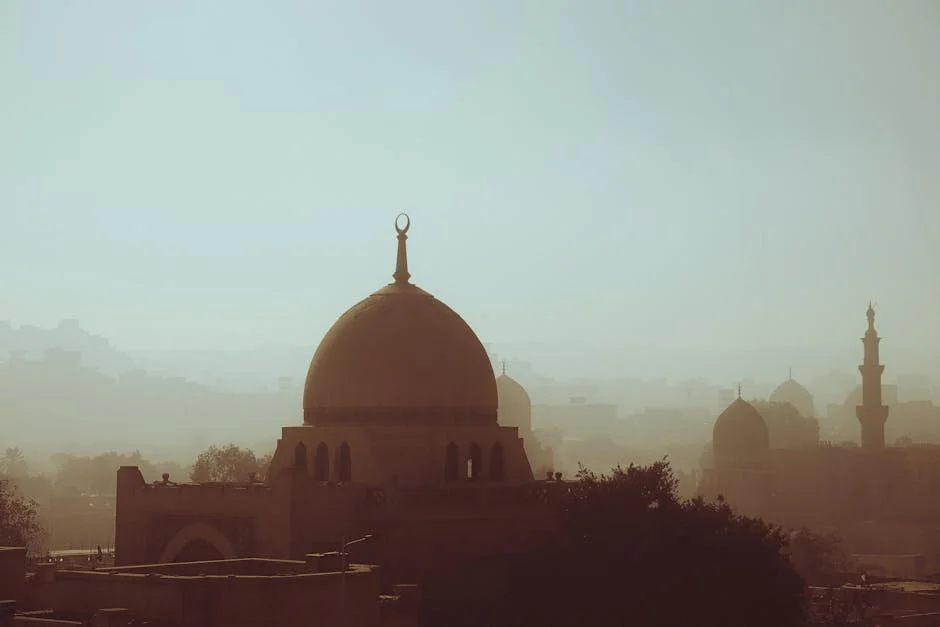
Impact on Nigerian Christians and Local Faith Communities
Christianity has a substantial following in Nigeria, with approximately 50% of the population identifying as Christian, predominantly in the southern regions. The suspension of pilgrimages not only affects individual believers but also impacts local faith communities that rely on pilgrimage tourism for economic support. Many churches and organisations depend on the annual flow of pilgrims to fund development projects, social services, and community outreach programmes.
Broader Implications for African Development Goals
This decision is emblematic of the broader challenges that African nations face in terms of governance and safety, as conflicts in one region can have ripple effects on others. The suspension highlights the need for enhancing security measures for religious practices and safeguarding the rights of believers, aligning with the African Union's Agenda 2063, which advocates for peace, security, and stability across the continent. Furthermore, the ramifications of the Middle East conflict on Nigeria illuminate the interconnectedness of global events and local realities, stressing the importance of resilience in African development.
The Economic Consequences: A Call for Diversification
As the Nigerian government grapples with the impact of this suspension, it is critical to consider the economic implications. The tourism sector, particularly religious tourism, is a vital component of Nigeria's economy, contributing significantly to local businesses and job creation. The halt in pilgrimages could lead to financial losses for many, prompting a need for diversification in the economy to reduce reliance on pilgrimage tourism. This situation offers an opportunity for Nigerian leaders to explore alternative avenues for economic growth, such as promoting domestic tourism and investing in infrastructure that supports a wider array of tourist attractions.
Looking Ahead: What This Means for Nigeria’s Future
As the situation in the Middle East continues to evolve, Nigerians will be watching closely to see how the government responds to these challenges. The halt in pilgrimages is not just a temporary setback but a reflection of the broader issues facing the country regarding security, governance, and economic stability. Stakeholders in Nigeria must engage in dialogue about how to adapt to these changes while continuing to support the Christian community and its contributions to the nation. This moment serves as a critical junction for Nigeria to reassess its development goals in light of global events and find pathways forward that promote peace, stability, and growth.