Nigeria is confronting a significant writing crisis as a nationwide pen shortage threatens educational progress. This issue has gained attention since early October 2023, impacting students and schools across the country, raising concerns over the quality of education amid ongoing challenges and sluggish infrastructural development.
Students Struggle Without Essential Supplies
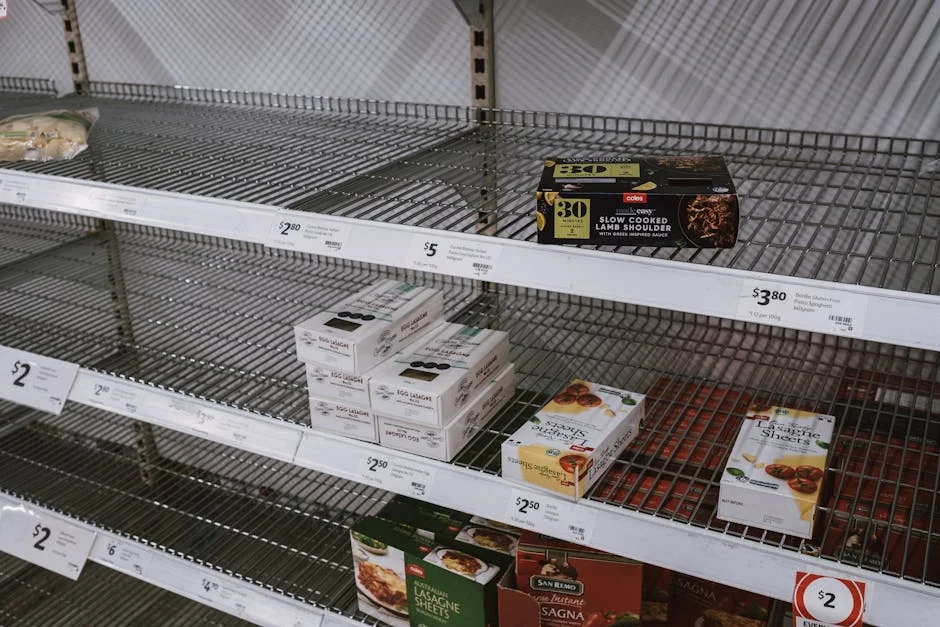
Across Nigeria, students are being forced to adapt to the harsh reality of an acute shortage of writing instruments, particularly pens. Recent reports indicate that many schools in urban and rural areas are struggling to provide students with the basic tools needed for their education. The shortage has been attributed to various factors, including supply chain disruptions and rising production costs, exacerbated by inflation. Reports suggest that the prices of pens have skyrocketed by over 200% in some regions, leaving many families unable to afford these essential items.
The Impact on Education and Future Prospects
This pen shortage is more than just an inconvenience; it poses a serious threat to Nigeria's educational framework and the future of its youth. The inability to write effectively can hinder students' learning processes and assessments, directly affecting their academic performance and future opportunities. With Nigeria's educational goals closely aligned with the African Union's Agenda 2063, which aims to promote quality education, the current crisis could severely undermine these objectives.
Government Response and Policy Implications
In response to the crisis, the Nigerian government has begun discussions on potential interventions to alleviate the situation. The Minister of Education has reportedly convened an emergency meeting with stakeholders in the education sector to devise a plan for ensuring the availability of writing materials. However, critics argue that more systemic issues, such as poor infrastructure and lack of local manufacturing capabilities, must be addressed to create a sustainable solution.
How the Story Affects Nigeria's Development Goals
This pen shortage highlights broader systemic challenges facing Nigeria, particularly in the realms of governance and economic growth. The inability to produce essential educational supplies domestically reflects the country's over-reliance on imports, a situation that can stifle local industries and limit job creation. As the country strives to meet its development goals, enhancing local production capacities for educational materials could provide a dual benefit: improving access to education while stimulating economic growth.
Looking Ahead: Opportunities for Sustainable Solutions
Despite the current challenges, this crisis could serve as a catalyst for innovation and development within Nigeria's education sector. By investing in local manufacturing and fostering partnerships with educational suppliers, the government and private sector can create a more resilient supply chain for educational resources. Furthermore, increasing awareness about the importance of education and addressing the needs of students can galvanise support for comprehensive policies aimed at enhancing the educational landscape in Nigeria.