Overnight developments in the Middle East War have prompted Nigeria to reassess its foreign policy and economic strategies. As violence escalates, leaders and analysts are increasingly concerned about the potential ripple effects on African development goals.
Nigeria's Response to Middle East Crisis
Nigeria's government has condemned the ongoing violence in the Middle East, emphasising the need for diplomatic solutions. Foreign Minister Geoffrey Onyeama stated, "We are monitoring the situation closely, as the repercussions of instability in the Middle East often extend far beyond its borders." This response follows a series of overnight airstrikes and military engagements that have intensified conflicts in the region.
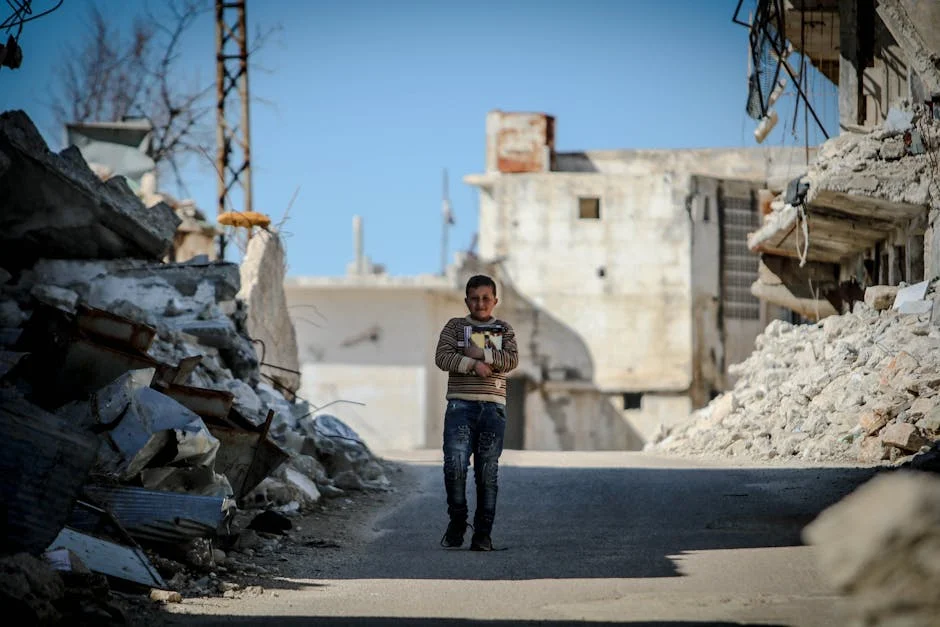
The Economic Ramifications for Africa
The Middle East War developments explained reveal not only a humanitarian crisis but also significant economic implications for African nations. Nigeria, as a major oil producer, is particularly vulnerable to fluctuations in global oil prices, which can be affected by instability in the Middle East. As prices rise due to supply chain disruptions, countries with heavy reliance on oil exports will face increased economic strain.
Continental Challenges and Opportunities
The Middle East War politics update highlights how African nations must navigate their relationships with Middle Eastern countries amid escalating tensions. Collaborative initiatives in trade, energy, and security are at risk. However, this crisis also presents an opportunity for African nations to diversify their economies and strengthen intra-African partnerships, reducing dependency on volatile foreign markets.
The Role of Governance in African Development
Good governance is paramount as African leaders respond to these global events. The Middle East War analysis Nigeria reveals that effective leadership can mitigate the impacts of international crises on local economies. By prioritising health, education, and infrastructure development, African nations can create a more resilient framework to withstand external shocks.
What Comes Next for Africa?
As the situation in the Middle East continues to evolve, African nations must remain vigilant. The consequences of the Middle East War could lead to shifts in migration patterns, trade routes, and security dynamics across the continent. Observers suggest that regional organisations, such as the African Union, should work collaboratively to develop strategies that address both the immediate crises and the long-term implications for African development goals.