Emirates Airlines has announced rebooking and refund options for passengers impacted by escalating tensions in the Middle East, particularly as the conflict between Iran and Israel intensifies. The airline's decision comes amid a wave of flight cancellations and travel warnings related to the volatile situation affecting airspace over Kuwait and Lebanon.
Flight Disruptions Amid Growing Conflict
As the Iran-Israel conflict escalates, Emirates Airlines has taken proactive measures to safeguard its passengers and operations. Effective immediately, the airline is offering complimentary rebooking and refunds for flights to and from the affected regions. This decision underscores the growing concern for safety in the Middle East, where aviation routes have been disrupted by the ongoing conflict.
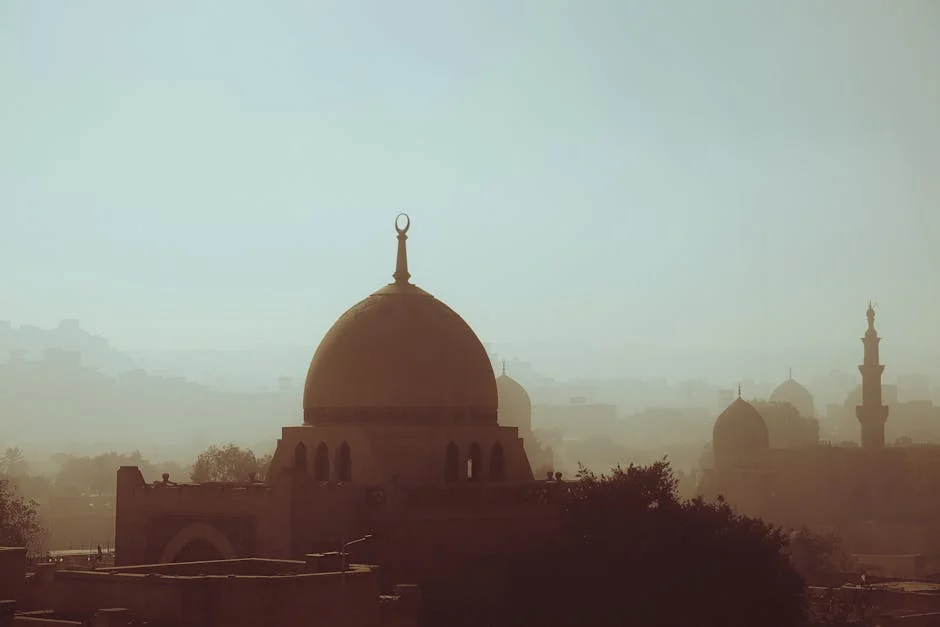
The airline's move is particularly significant for travellers planning to visit Kuwait, Lebanon, and surrounding areas, as air traffic has been severely curtailed. Passengers are encouraged to check the latest updates from Emirates regarding their travel itineraries to avoid unnecessary disruptions.
The Impact on African Connectivity
The intensifying conflict in the Middle East has broader implications for African nations, particularly those that rely on Middle Eastern hubs for connectivity. Countries such as Nigeria, which has seen increasing air traffic to and from the region, could face disruptions that hamper economic growth and tourism.
Kuwait, for example, has long been a gateway for trade and travel between Africa and Asia. With the current situation, investors and businesses may reconsider their strategies, affecting collaboration opportunities and economic partnerships. This disruption could slow progress towards achieving African development goals, particularly those linked to infrastructure development and economic integration.
Increased Safety Measures and Regulatory Responses
In response to the escalating tensions, regulators across Africa are likely to re-evaluate safety measures for airlines and travel agencies operating in the region. The Nigerian Civil Aviation Authority (NCAA), along with other authorities, may issue advisories or restrictions that could affect the flow of travel and commerce.
Governance and safety in air travel are critical components of African development, and this incident highlights the need for robust policies that can adapt to international challenges. As the region grapples with these issues, it becomes evident that enhancing safety protocols and infrastructure is crucial for maintaining connectivity and fostering economic resilience.
Opportunities for African Nations
While the current situation may seem dire, it also presents opportunities for African nations to rethink their travel and trade strategies. Countries can focus on strengthening regional partnerships, thereby diversifying trade routes and reducing reliance on vulnerable air traffic through the Middle East.
Investments in infrastructure, such as air transport, rail, and road networks, could open new avenues for economic growth. By boosting intra-African trade and travel, countries might better withstand external shocks like the current conflict impacting the Middle East.
Looking Ahead: What to Watch For
As the situation continues to evolve, stakeholders in the aviation and tourism sectors should closely monitor developments. The potential for extended conflict could provoke further flight cancellations and travel advisories, affecting both businesses and individuals.
In the long term, African nations may need to reassess their foreign policy and economic strategies in light of instability in the Middle East. Building resilience within the continent's own transport and trade systems will be vital for ensuring that Africa can meet its development goals, particularly in fostering economic growth and improving governance.