In a significant move, Duty Free retailers are expanding their presence in African airports, aiming to boost local economies and enhance travel experiences. This expansion comes as countries across the continent seek innovative ways to stimulate economic growth and attract investment.
Duty Free Growth: A Boon for African Economies
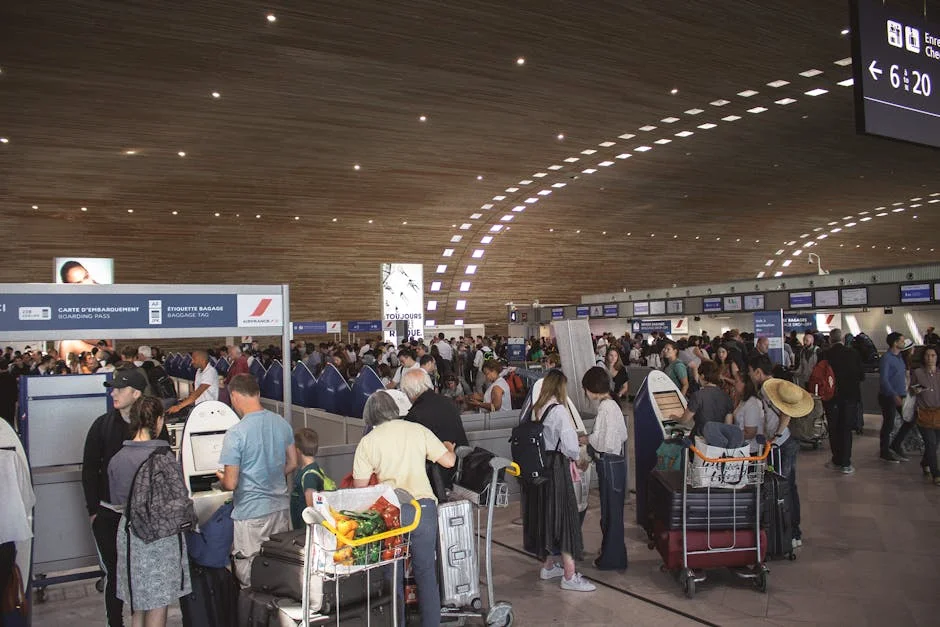
The Duty Free sector has seen remarkable growth in recent years, particularly as international travel rebounds following pandemic disruptions. Airports in major cities like Johannesburg, Nairobi, and Lagos are witnessing a surge in Duty Free shops, catering to the growing number of travellers. These shops provide a variety of products, from luxury goods to everyday items, all exempt from local taxes.
This expansion is not just about convenience for travellers; it also represents a significant opportunity for economic development. According to industry reports, the Duty Free market in Africa is projected to grow by 9% annually over the next five years, potentially generating thousands of jobs and boosting local businesses.
How Duty Free Supports Infrastructure Development
The increased presence of Duty Free outlets in airports directly correlates with the need for improved infrastructure across the continent. As more international flights land in African airports, the demand for enhanced facilities rises. This creates a ripple effect, prompting governments to invest in airport upgrades and related infrastructure.
Moreover, as Duty Free shops begin to thrive, they can encourage further investments in adjacent sectors, such as logistics and transport, which are critical for comprehensive infrastructural development. For example, better airport facilities can lead to improved cargo handling, making it easier for local producers to export goods internationally.
Health and Education: Indirect Benefits of Duty Free Growth
While the connection between Duty Free expansion and sectors like health and education may not seem immediately apparent, the economic benefits can have far-reaching effects. Increased revenue from Duty Free sales can lead to higher tax collections for governments, which can be reinvested into public services.
For instance, enhanced funding for healthcare and education can result from improved airport revenues. Governments can allocate resources towards building hospitals and schools, contributing to the overarching African development goals of improved health and education outcomes.
Governance and Regulation: The Role of Policy in Duty Free Operations
The growth of the Duty Free sector also underscores the importance of good governance and regulatory frameworks. As more players enter the market, it is vital for governments to establish clear policies that promote fair competition while ensuring quality standards.
This governance is essential not only for maintaining the integrity of the Duty Free market but also for protecting consumers. Effective regulation can enhance trust in these establishments, encouraging more travellers to make purchases and contribute to the local economy.
Future Prospects: What to Watch For in Duty Free Development
As Duty Free retailers continue to establish a foothold in African airports, several trends are likely to shape the future of this sector. The rise of e-commerce is expected to influence how Duty Free shops operate, with digital platforms offering travellers the convenience of pre-ordering items for pickup upon arrival.
Moreover, as African nations work towards achieving their development goals, the expansion of Duty Free shops can serve as a model for leveraging tourism to foster economic resilience. Stakeholders should keep an eye on how these developments unfold and the potential for Duty Free operations to drive broader economic transformation across the continent.