A Sukhoi-30 fighter jet lost contact at 7:42 PM, triggering a loud explosion heard in Jorhat, Assam. The incident raises serious questions about aviation safety and the implications for military readiness in the region.
Details of the Crash in Assam
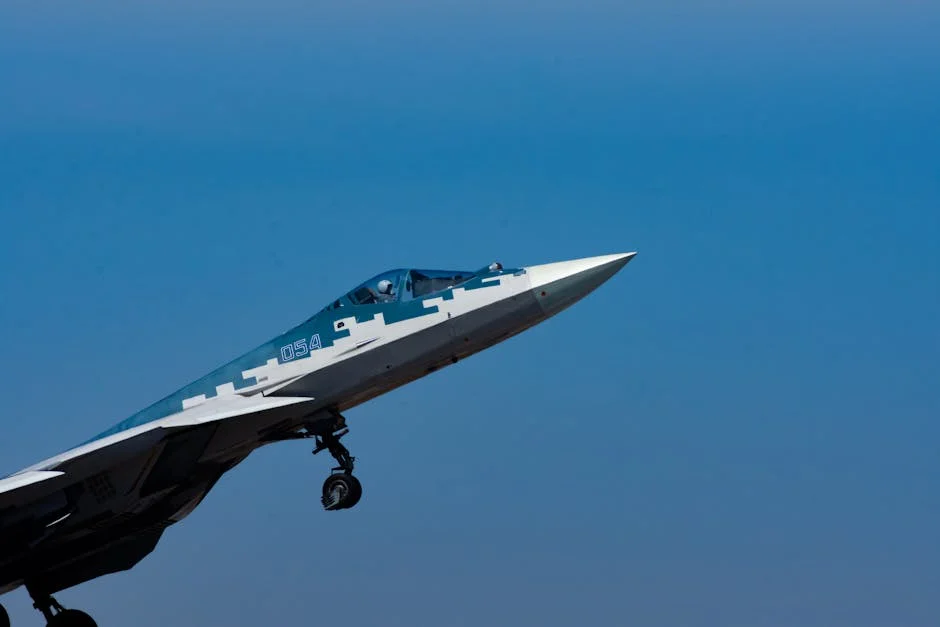
The Sukhoi-30 fighter jet, a key aircraft in the Indian Air Force's fleet, was on a routine sortie when it lost contact shortly after takeoff. Eyewitnesses reported a loud explosion, suggesting a catastrophic failure or crash. Search and rescue operations have been initiated, with local authorities mobilising resources to locate the wreckage and any potential survivors.
Implications for Regional Security
This incident underscores the ongoing challenges faced by military aviation in the region, particularly in the context of rising geopolitical tensions. As nations in Africa and Asia strive to improve their military capabilities, the safety of their aviation assets remains a critical concern. The loss of a sophisticated aircraft such as the Sukhoi-30 raises questions about maintenance standards and operational protocols.
Lessons for African Development Goals
The implications of this incident extend beyond the immediate context of Indian military aviation. For African nations, where military and civil aviation play significant roles in development, the crash highlights the need for robust infrastructure and governance. Ensuring that military assets are well-maintained is vital not only for national security but also for the broader objectives of developmental stability and economic growth.
Potential Economic Consequences
As countries like Nigeria seek to enhance their military capabilities, the Sukhoi crash serves as a cautionary tale. The investment in advanced fighter jets must be matched with a commitment to the necessary infrastructure, training, and safety protocols. Failure to do so could lead to costly setbacks in both operational effectiveness and financial investments.
Future Considerations for Military Aviation
As investigations into the Sukhoi-30 crash unfold, it is crucial for African nations to monitor the findings closely. The lessons learned can inform future policies regarding military procurement and aviation safety. With ongoing development goals in mind, ensuring the safety and efficiency of military operations can ultimately support broader economic and social objectives across the continent.