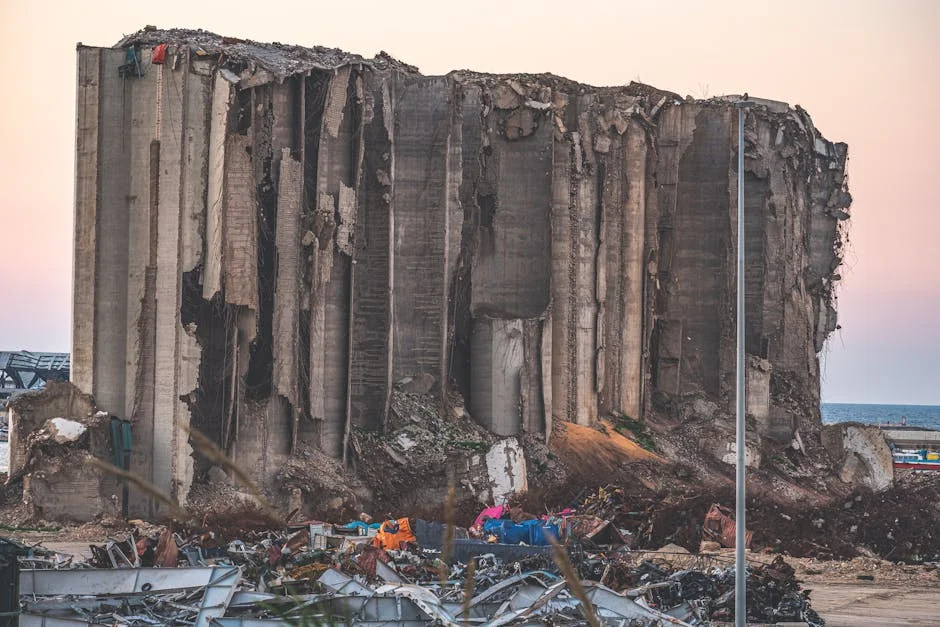
Multiple blasts rocked a bustling market area in Tehran yesterday, raising alarms as Hezbollah issued a stark warning to Israelis in Lebanon. The explosions, which occurred during peak shopping hours, have left several injured and heightened fears of escalating conflict in the region.
Casualties and Immediate Responses
Initial reports indicate that at least 20 people have been injured, with emergency services rapidly deployed to the scene. Local authorities are investigating the nature of the blasts, which have sent shockwaves through the city. Eyewitness accounts describe a chaotic scene, with shoppers fleeing in panic.
Hezbollah's Warning and its Implications
Following the blasts, Hezbollah issued a warning directed at Israeli forces stationed along the Lebanese border. The group claims that the attacks are a direct result of Israeli provocations and has threatened retaliation. This warning comes at a time when regional tensions are already high, particularly regarding the ongoing disputes over territorial integrity and military presence.
Tehran's Position in Regional Geopolitics
Tehran has long been a focal point of Middle Eastern geopolitics, with its influence extending into various conflicts across the region. As tensions rise, the Iranian government must navigate a precarious balance between maintaining internal security and projecting power abroad. The blasts, therefore, not only impact local governance but also resonate with international observers, especially regarding the ongoing struggles for stability in the Middle East.
African Development Goals and Continental Challenges
The implications of the blasts in Tehran extend beyond the immediate violence; they reflect broader trends that could affect African development goals. As instability in one region often leads to economic repercussions globally, African nations need to consider how conflict in the Middle East affects their own security and economic growth. The interconnectedness of global markets means that fluctuations in oil prices or trade routes could have significant impacts on African economies.
What to Watch For Next
As the situation develops, international observers will be keenly monitoring Tehran's response and any subsequent actions taken by Hezbollah. For African nations, this could signal shifts in energy prices and economic conditions, particularly for oil-dependent economies like Nigeria. The blasts serve as a reminder of the fragile nature of peace worldwide and the importance of regional cooperation in achieving developmental goals.