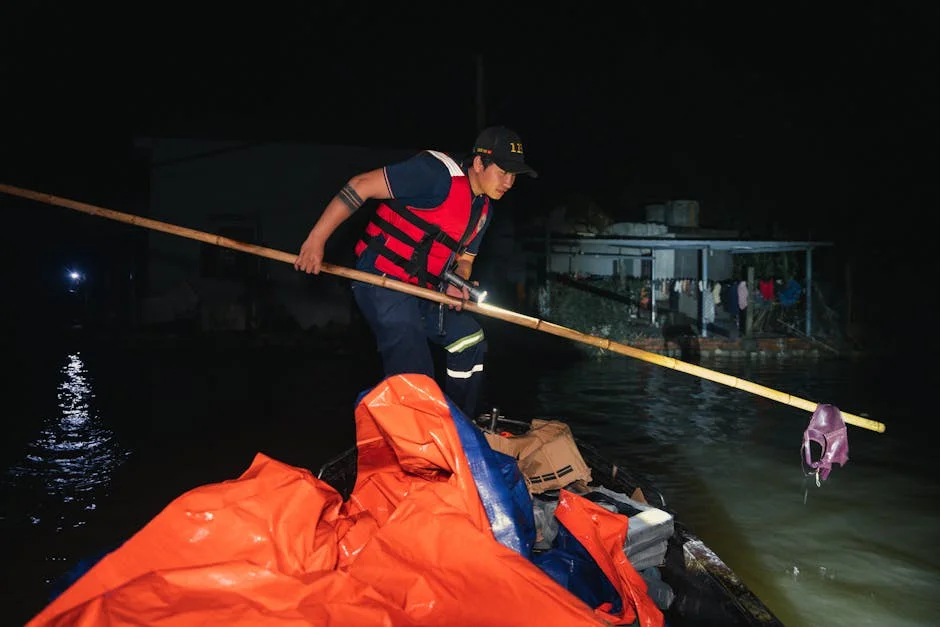
In a shocking revelation, the Comunidade Intermunicipal of Tejo has reported damages amounting to €185 million, with €100 million specifically targeting public infrastructure. This significant loss comes in the wake of recent environmental challenges that have had widespread repercussions across the region.
Understanding the Financial Impact on Tejo
The Comunidade Intermunicipal of Tejo, a collaborative governance structure in Portugal, disclosed that the total damages are primarily linked to flooding and infrastructure failures. The €185 million figure reflects both immediate repair needs and future investments that will be required to bolster resilience against similar environmental challenges. This scale of financial loss raises important questions about the ability of local governments to manage unforeseen crises.

Lessons for African Development Goals
The situation in Tejo resonates deeply with the challenges faced by various African nations striving towards the United Nations Sustainable Development Goals (SDGs). Infrastructure development, governance, and disaster resilience are pivotal components of these goals, particularly Goal 9, which advocates for resilient infrastructure and sustainable industrialisation. The experiences from Tejo can serve as a crucial learning point for African countries, where similar environmental issues often exacerbate existing infrastructure deficits.
Infrastructure Resilience: A Comparative Analysis
With the reported damages heavily impacting public infrastructure, it is essential to assess how the Tejo situation parallels challenges in Nigeria and other African nations. For instance, Nigeria faces recurrent flooding and infrastructural decay, which similarly undermines economic growth and public health. The Comunidade Intermunicipal's approach to addressing these damages could provide insights into effective governance strategies that can be adapted for African contexts, particularly in urban planning and emergency response.
Opportunities for Economic Growth Amidst Challenges
Despite the overwhelming figures associated with the damages in Tejo, the crisis may also present opportunities for economic growth. Investment in rebuilding efforts can stimulate local economies and create jobs, thereby contributing to the overall economic development of the region. For African nations, initiating infrastructure projects that integrate sustainable practices can catalyse economic growth while aligning with environmental goals. This strategy could enhance resilience against climate change, a pressing issue for many African communities.
The Role of Governance in Mitigating Future Risks
Good governance is a cornerstone in managing both the immediate effects of crises like those experienced in Tejo and long-term developmental strategies. For African nations, strengthening governance structures to improve disaster preparedness and response is essential. The Tejo developments explained can inform local policies in Nigeria, urging leaders to take proactive steps to enhance community resilience and infrastructural integrity.
What to Watch for Next: The Broader Implications
As the Comunidade Intermunicipal of Tejo begins its recovery process, stakeholders across Africa should observe and analyse the outcomes of these efforts. The actions taken by Tejo may influence policy decisions in regions facing similar challenges, encouraging the adoption of innovative governance and infrastructure investment strategies. Ultimately, the Tejo latest news serves as a reminder of the interconnectedness of global challenges and the potential for shared learning in pursuing sustainable development.