The ongoing conflict in Sudan has escalated, drawing international concern and impacting regional stability since it reignited in April 2023. As rival factions battle for control, the humanitarian crisis deepens, posing risks not just within Sudan but also rippling across Africa, particularly affecting nations like Nigeria.
Sudan's Unfolding Crisis: Key Players and Events
Since the outbreak of violence, the Sudanese Armed Forces (SAF) and the Rapid Support Forces (RSF) have clashed in a power struggle that has claimed thousands of lives. The conflict, which began in the capital Khartoum and quickly spread to other regions, has left millions displaced and in dire need of humanitarian assistance. As of October 2023, estimates suggest that over 5 million people have fled their homes, with approximately 2.5 million seeking shelter in neighbouring countries.
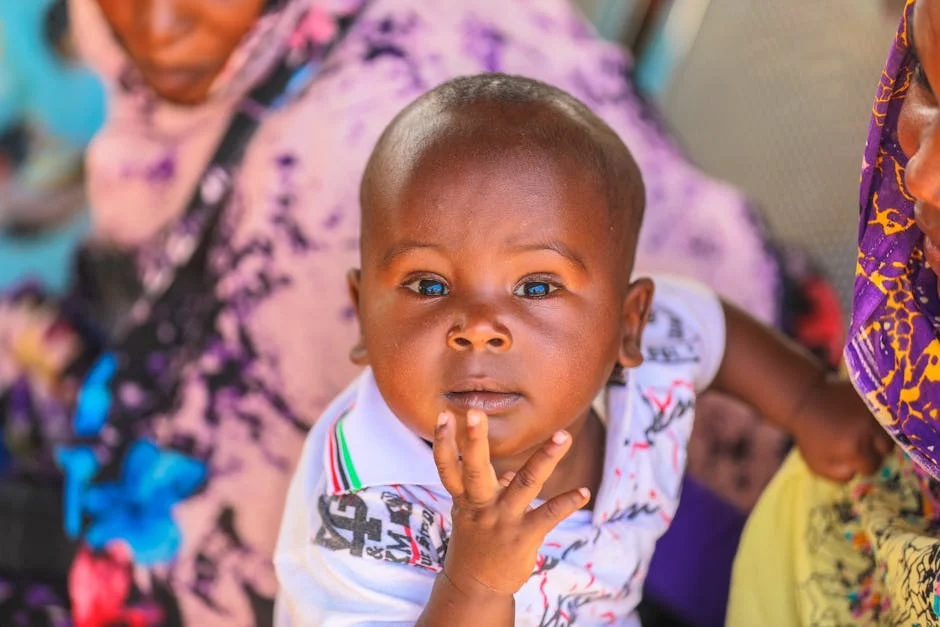
The Humanitarian Fallout: A Crisis Beyond Borders
The humanitarian consequences of the Sudan conflict have prompted alarm across the continent. Displacement and food insecurity are rampant, as the fighting disrupts vital supply chains. International aid agencies warn that without immediate intervention, millions will face starvation. This situation exacerbates existing vulnerabilities in countries like Nigeria, where rising poverty rates and insecurity compound the challenges of accommodating refugees and supporting displaced populations.
Regional Stability at Risk: The Broader Implications
The turmoil in Sudan does not merely remain contained; it has significant implications for regional stability. As Sudan's conflict unfolds, it creates opportunities for extremist groups to exploit the chaos, further threatening peace in West Africa. The potential influx of refugees into Nigeria may strain the country's already challenged resources, hindering its development goals and impacting its economic growth prospects. Moreover, the destabilisation of Sudan strains relationships among African nations, complicating collective efforts to achieve the African Union's Agenda 2063.
Opportunities for Pan-African Collaboration
However, the conflict also reveals opportunities for African nations to collaborate more closely. Countries across the region can work together to provide humanitarian aid and support peace initiatives aimed at resolving the conflict. It emphasizes the need for stronger governance frameworks and regional partnerships that can address the underlying issues driving such conflicts. The African Union, alongside various regional bodies, must play a decisive role in mediating and facilitating dialogue to restore peace in Sudan.
What Lies Ahead: Monitoring the Situation
As the situation evolves, it is crucial for observers to monitor developments closely. The conflict's trajectory will determine not just Sudan's future but also its impact on neighbouring countries like Nigeria and the broader African continent. In light of this crisis, African leaders must reaffirm their commitment to continental integration and collective security, ensuring that the lessons learned from Sudan contribute to a more stabilised and prosperous region.