Somalia has confirmed a groundbreaking new constitution that will allow for directly elected lawmakers, marking a significant shift in its governance structure. This constitutional change comes at a crucial time for the nation, as it aims to strengthen democratic processes and enhance political stability following decades of conflict.
Direct Elections: A Turning Point for Somali Democracy
The newly ratified constitution, which was approved earlier this week, enables citizens to vote directly for their representatives in the parliament. This move is seen as a pivotal step towards establishing a more transparent and accountable government, a long-standing demand from the Somali populace. The decision follows years of political transition efforts aimed at overcoming the challenges posed by clan-based politics and insurgent threats.
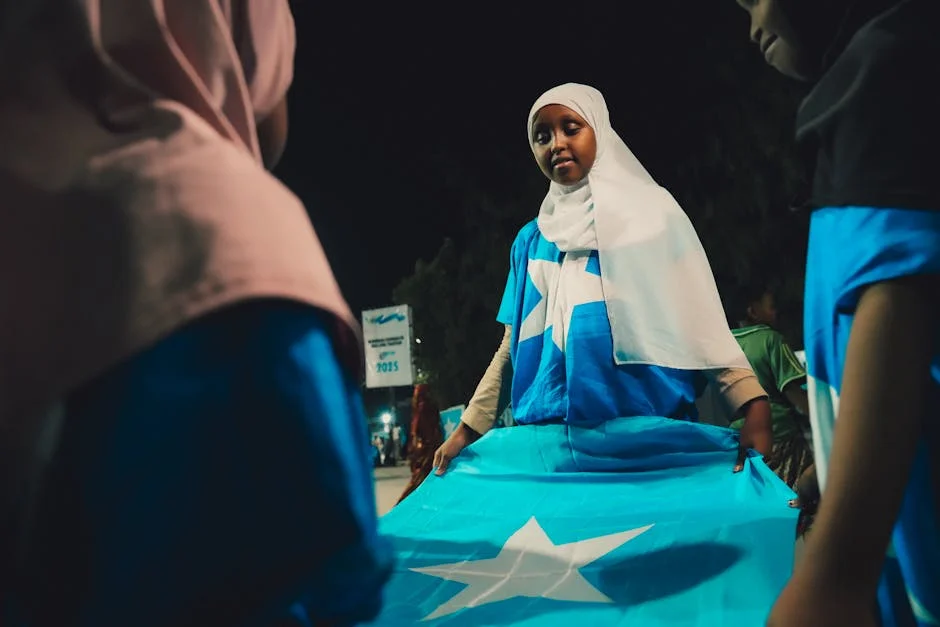
Context: The Need for Democratic Reform in Somalia
Somalia has faced a protracted period of instability, marked by civil unrest and the rise of extremist groups. The previous system of indirect elections has often been criticised for perpetuating corruption and limiting public participation in governance. By shifting to direct elections, Somalia seeks to empower its citizens and foster a stronger democratic culture.
Implications for Governance and Development Goals
This constitutional reform aligns with the African Union's Agenda 2063, which advocates for inclusive governance and democratic representation across the continent. By enhancing political representation, Somalia could potentially unlock vital resources for development, infrastructure improvements, and education initiatives. A more engaged citizenry is likely to demand better health services, educational opportunities, and economic growth, all of which are essential for the nation’s recovery and development.
Challenges Ahead: Ensuring Stability and Security
Despite the optimistic outlook, Somalia faces numerous challenges in implementing these changes. The threat from militant groups such as Al-Shabaab remains significant, and ensuring security during the electoral process will be paramount. Moreover, effective governance will require robust institutions capable of managing the complexities of a direct electoral system.
Looking Forward: What This Means for the Region
Somalia's move towards direct elections could serve as a model for other nations in the Horn of Africa struggling with governance issues. As regional dynamics shift, the success of Somalia’s new constitution may inspire similar reforms in neighbouring countries like Nigeria, fostering a broader movement towards democratic governance across Africa.
In conclusion, while the road ahead is fraught with challenges, the constitutional changes in Somalia represent a significant opportunity for the nation to redefine its political landscape and align itself with continental development goals. Observers will be keenly watching how these reforms unfold and what they mean for the future of Somali politics.