Authorities in Sintra are calling for immediate intervention to restore the beaches as summer approaches, threatening the local tourism economy. The coastal areas of Praias de Sintra are showing signs of significant erosion and environmental degradation, prompting urgent discussions among local officials regarding the necessary measures to ensure safety and accessibility for visitors.
Environmental Concerns Threatening Local Economy
The beaches of Sintra, a popular destination known for their picturesque landscapes and vibrant tourism, have seen alarming changes due to natural erosion and climate impact. Local authorities have reported a decline in beach area, which could severely affect the summer tourism season, vital for the region's economy.
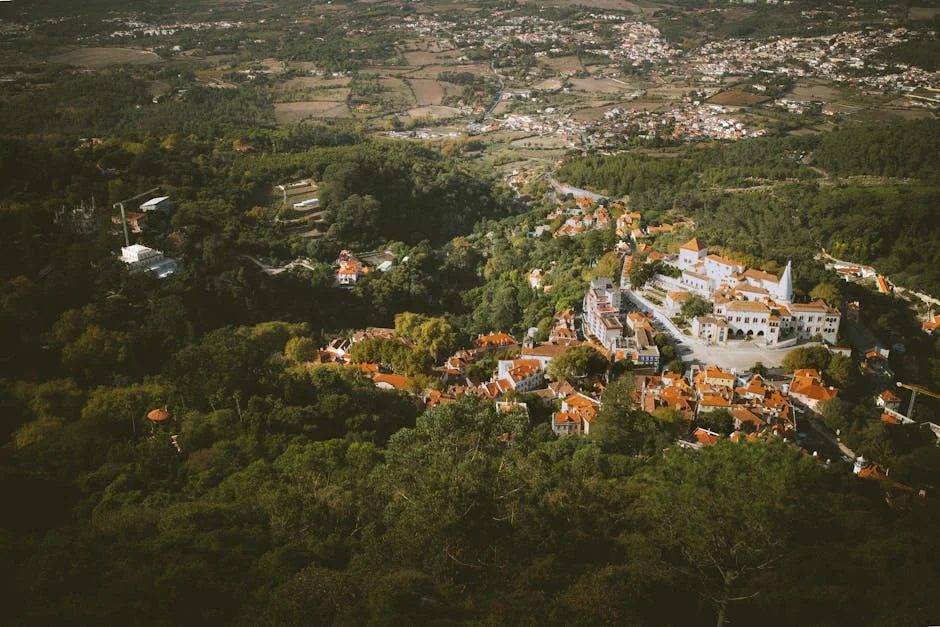
Historical Context of Sintra’s Coastal Challenges
Sintra, a UNESCO World Heritage site, has long faced challenges related to coastal erosion. Historical records indicate that the region's beaches have undergone significant transformations over the past few decades, with increasing frequency of storms and rising sea levels contributing to the threat. The local government has previously initiated projects aimed at stabilising the coastline, but these have struggled to keep pace with rapid environmental changes.
Potential Impact on African Development Goals
This situation in Sintra has broader implications that resonate with the African continent's development challenges. As countries like Nigeria work towards achieving sustainable development goals, similar coastal and environmental issues present significant hurdles. The management of coastal resources and the protection of vulnerable tourism sectors are crucial in addressing economic growth and governance.
Lessons from Sintra for Nigeria's Coastal Regions
Nigeria, with its extensive coastline and reliance on tourism, can learn valuable lessons from Sintra's current predicament. The need for proactive governance in environmental management is essential to prevent the erosion of both natural and economic resources. As Nigerian coastal cities, like Lagos and Calabar, face similar threats from climate change, the ongoing situation in Sintra may serve as a warning and an opportunity for collaborative strategies in coastal protection.
Next Steps for Sintra and Broader Implications
The immediate next steps for Sintra involve emergency meetings among local leaders to discuss potential funding and interventions to reinforce the beaches. The outcome of these discussions will not only determine the fate of Sintra’s tourism season but could also provide a template for other regions affected by similar coastal challenges. As global awareness of climate issues rises, it is crucial that stakeholders in Africa and beyond adopt innovative and sustainable practices to protect their environments and economies, ensuring resilience against future crises.