On Wednesday, a notable gathering of clerics in Nigeria raised alarms about a potential split within the Anglican Church. This meeting, attended by influential Christian leaders across Africa, highlighted the growing tensions surrounding doctrinal differences and governance issues that could reshape the religious landscape in the region.
Discontent Among Clerics: A Growing Divide
The Anglican Church in Nigeria has been experiencing unrest, with various factions emerging over issues such as same-sex marriage and the authority of church governance. This meeting aimed to address these contentious topics, with clerics expressing their concerns about the church's future unity. The atmosphere was charged as leaders discussed the implications of a split, which could lead to a significant reconfiguration of church hierarchy and influence in Nigeria.
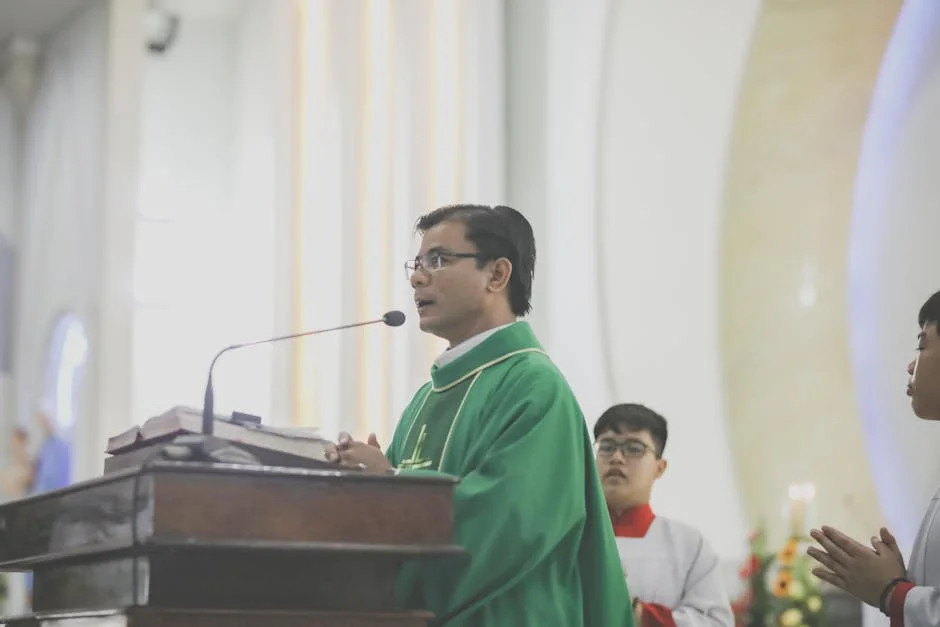
Historical Context: Tensions in the Anglican Communion
The Anglican Church, one of the largest Christian denominations in Nigeria, has been facing challenges for years, particularly in light of global debates on sexuality and governance. The tensions within the church mirror broader societal challenges in Nigeria, where religious beliefs often intersect with cultural and political dynamics. The potential split could have far-reaching consequences not only for the church but also for the Christian community in Nigeria as a whole.
Christian Development Goals: The Impact of Division
The implications of a divided Anglican Church extend beyond theological debates; they pose significant challenges to African development goals. A fragmented church could undermine efforts to promote unity and social cohesion, which are essential for addressing pressing issues such as poverty, health, and education. As faith-based organisations play a crucial role in development initiatives across Nigeria, a split could jeopardise coordinated efforts to tackle these challenges effectively.
Opportunities for Growth Amidst Challenges
While the prospect of division presents challenges, it also creates opportunities for dialogue and reform within the Anglican Church and the broader Christian community in Nigeria. Clerics emphasised the need for a renewed focus on core values, such as compassion and community service, which could strengthen the church's role in advocating for social justice and development. By addressing internal conflicts, there is potential for a revitalised church that could contribute positively to Nigeria's socio-economic landscape.
Looking Ahead: The Future of the Anglican Church and Society
The discussions held by the clerics signal a critical juncture for the Anglican Church in Nigeria. As they navigate these challenges, the outcomes will be closely watched not only by the church community but also by policymakers and development practitioners. Faith leaders have a unique opportunity to influence public discourse and drive initiatives that align with Africa's development goals. The decisions made in the coming months could redefine the relationship between the church and society, shaping both the spiritual and socio-economic future of many Nigerians.