In a significant gathering on Wednesday, leading clerics from the Anglican Church in Nigeria convened to discuss the potential ramifications of a split within their denomination. This meeting highlights underlying tensions in the Christian community and raises questions about the future of Christianity in Africa.
Clerics Address Growing Divisions in the Anglican Church
During the meeting held in Abuja, clerics expressed deep concerns over the increasing divide within the Anglican community, which has been exacerbated by differing views on social issues, including LGBTQ+ rights and the role of women in church leadership. The discussions were marked by a sense of urgency as participants acknowledged the potential consequences of a fracture within one of Africa's most significant denominations.
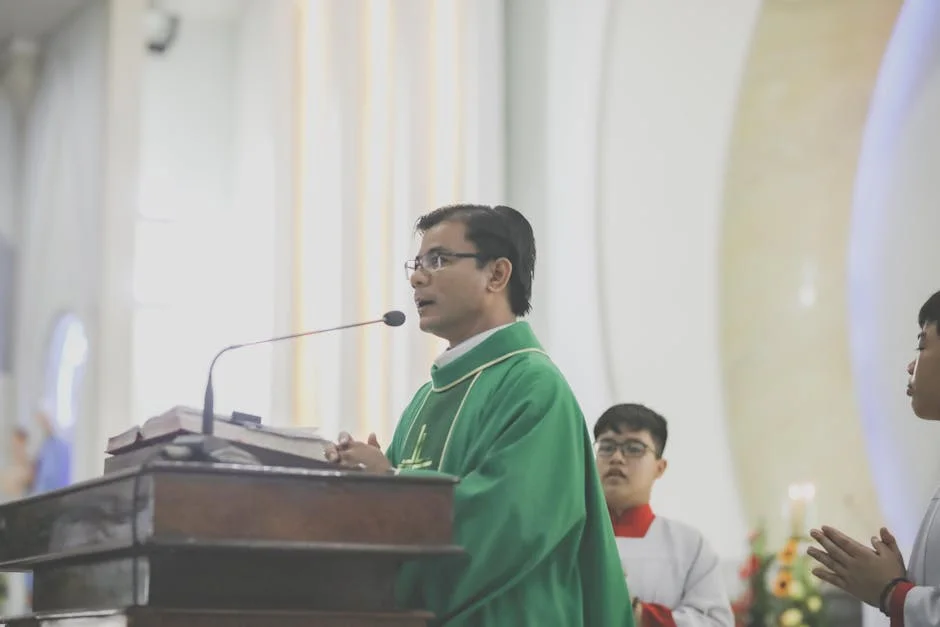
Why the Anglican Church Matters in Nigeria
The Anglican Church holds a prominent position in Nigeria, where Christianity is a major religious force. With an estimated 18 million adherents, it plays a crucial role in various aspects of Nigerian society, including education, healthcare, and social welfare. A split within this community could destabilize these critical services and impact millions of Christians across the country.
Implications for Christian Development Goals
The discussions among clerics are not just about theological disputes; they directly relate to broader African development goals. The Anglican Church has historically been a champion of education and healthcare initiatives in Nigeria. A division could hinder progress toward the United Nations Sustainable Development Goals (SDGs), particularly in education and health, which are vital for national growth and stability.
Continental Challenges and Opportunities Ahead
The potential schism within the Anglican Church reflects broader challenges facing religious institutions in Africa, including governance issues, social justice, and economic equality. As clerics wrestle with these issues, they also have an opportunity to engage with the youth, who are increasingly critical of traditional norms. By addressing contemporary social issues, the Anglican Church could emerge stronger and more relevant in a rapidly changing society.
Looking Forward: What to Watch
As the Anglican Church faces these internal challenges, observers should monitor how the leadership responds to calls for reform and inclusivity. The outcome of this meeting and subsequent discussions will likely set the tone for the church's future direction in Nigeria and potentially influence other denominations across Africa. Strengthening unity while addressing diverse views could be key in ensuring the church remains a pillar of support for Christian communities amid evolving societal landscapes.