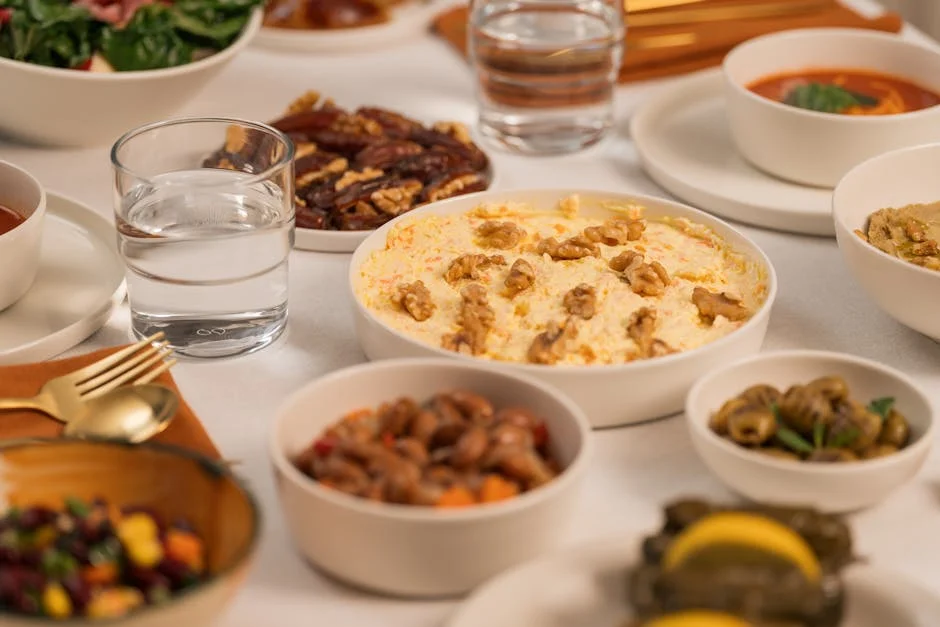
In a significant political gathering, leaders from the National Democratic Alliance (NDA) came together for an Iftar hosted by the Trinamool Congress (M) in Kolkata on March 29, 2023. The event saw key figures from various NDA parties criticising the ruling Dravida Munnetra Kazhagam (DMK) government, highlighting the political tensions in the region.
Unity and Criticism: Leaders Unite Over Iftar
The Iftar, a traditional meal to break the fast during the Islamic holy month of Ramadan, served as a backdrop for NDA leaders to express their concerns about the DMK’s governance. Among the attendees were prominent figures such as the NDA leader from West Bengal and various local party heads, all united in their critique of the DMK's policies.
During the gathering, leaders articulated their dissatisfaction with the DMK’s handling of key issues such as economic growth, governance, and infrastructure development. The event underscored how political gatherings, even those revolving around cultural practices like Iftar, can become platforms for political discourse and strategy.
The Significance of Iftar: More Than Just a Meal
Iftar, which marks the end of daily fasting during Ramadan, is not merely a religious observance; it serves as a social and political gathering in many cultures. As such, it holds significant value in fostering community and dialogue among leaders from various backgrounds.
This particular Iftar gathering highlights the intersection of cultural practices and political expression. By choosing to criticise the DMK at such a significant event, NDA leaders drew attention to their agenda while also connecting with the local Muslim community, which is vital in the politically diverse landscape of India.
Linking Iftar to African Development Goals
The events surrounding this Iftar invite a reflection on African development goals, particularly in fostering unity and dialogue among different political factions. In many African countries, cultural events often serve as platforms for political discussions, where leaders can address pressing issues like health, education, and governance.
Just as the NDA leaders criticised the DMK, African leaders must engage in constructive dialogue during cultural gatherings to address the continent's challenges. Issues such as infrastructure deficits, health crises, and educational disparities are pressing and require unified action from leaders across the continent.
Political Implications: What’s Next for DMK?
The criticism leveled against the DMK during the Iftar raises questions about its political future and its ability to govern effectively. As opposition parties rally around cultural events to voice their concerns, the ruling party must respond to these critiques or risk losing support among the electorate.
Furthermore, as African nations look to strengthen their governance and economic frameworks, they can learn from such political dynamics. Using cultural events as platforms for dialogue can be an effective strategy in addressing issues such as economic growth and public health, thus moving towards achieving the Sustainable Development Goals.