Khalifa Haftar's influence in Libya continues to grow as he consolidates power amidst ongoing instability. This development, observed over the past decade, raises significant questions for European countries involved in North African politics, especially with regards to migration, security, and energy resources.
Haftar's Rise: A Power Without a Throne
Since the Libyan Civil War erupted in 2011, Khalifa Haftar has emerged as a dominant military figure, effectively controlling large portions of the country despite lacking formal political authority. His Libyan National Army (LNA) has seized key territories, including the oil-rich region of eastern Libya, making him a pivotal player in the ongoing conflict.
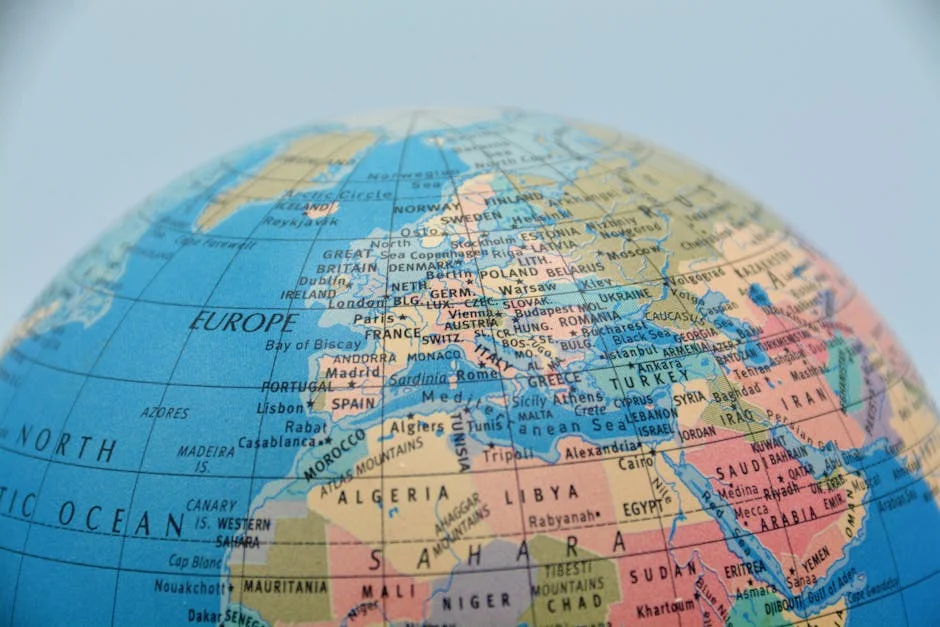
Haftar's military campaigns, particularly the 2019 assault on Tripoli, aimed to solidify his control over the capital and the government there, which has been recognised by the United Nations. However, his ambitions faced setbacks as rival factions and international actors intervened, leading to a protracted stalemate.
European Interests at Stake
The implications of Haftar's control extend far beyond Libya's borders. European nations, particularly Italy and France, have vested interests in stabilising Libya to manage the migration crisis and secure energy supplies. As instability persists, the risk of increased migration towards Europe has prompted calls for a more unified European policy towards Libya.
Italy, historically tied to Libya through colonial links, has been particularly active in diplomatic efforts. Meanwhile, France has supported Haftar as a counterbalance against Islamist factions, viewing him as a stabilising force in the region. This dual approach reflects the complexity of European involvement in Libya, where power dynamics are continually shifting.
Impact on African Development Goals
Haftar's influence poses challenges to African development goals, particularly in the areas of governance and economic growth. Libya, once a wealthy nation driven by oil revenues, faces significant hurdles in rebuilding its economy and infrastructure amid ongoing conflicts and governance crises.
With the African Union's Agenda 2063 aiming for an integrated and prosperous continent, the situation in Libya exemplifies the challenges of governance and stability. The lack of a unified government or effective institutions undercuts efforts to address economic disparities, improve health care, and enhance education, all crucial for sustainable development. The instability also hampers regional cooperation that is essential for addressing transnational issues such as security and resource management.
Opportunities for Regional Cooperation
Despite the challenges posed by Haftar’s dominance, there are opportunities for African nations and regional bodies to engage in dialogue and seek collaborative solutions. Initiatives led by the African Union to mediate peace talks and foster political reconciliation could pave the way for a more stable Libya, which in turn could positively impact regional development.
Moreover, leveraging Libya's resources for the benefit of neighbouring countries could enhance economic relations, potentially leading to a more integrated North African economy. This could help address some of the root causes of migration and poverty that plague the region, aligning with the broader objectives of African development.
What Comes Next for Libya and Europe?
As Khalifa Haftar continues to exert control, the next steps for Libya will be critical not only for its citizens but also for European nations grappling with the fallout of instability. Analysts warn that if a political resolution is not achieved, Libya could remain a flashpoint for conflict, affecting European security and economic interests.
In conclusion, the power dynamics surrounding Khalifa Haftar underscore the intricate relationship between local developments in Libya and broader continental challenges. For European nations, understanding the nuances of power politics in Libya will be key to formulating effective policies that address both immediate concerns and long-term development goals.