The Nigerian government has taken a decisive step by shutting down a company engaged in illegal waste management activities in Lagos. This operation, carried out by the National Environmental Standards and Regulations Enforcement Agency (NESREA) on October 15, 2023, highlights ongoing challenges with waste management in the country and underscores the need for sustainable practices.
Illegal Operations Exposed in Lagos
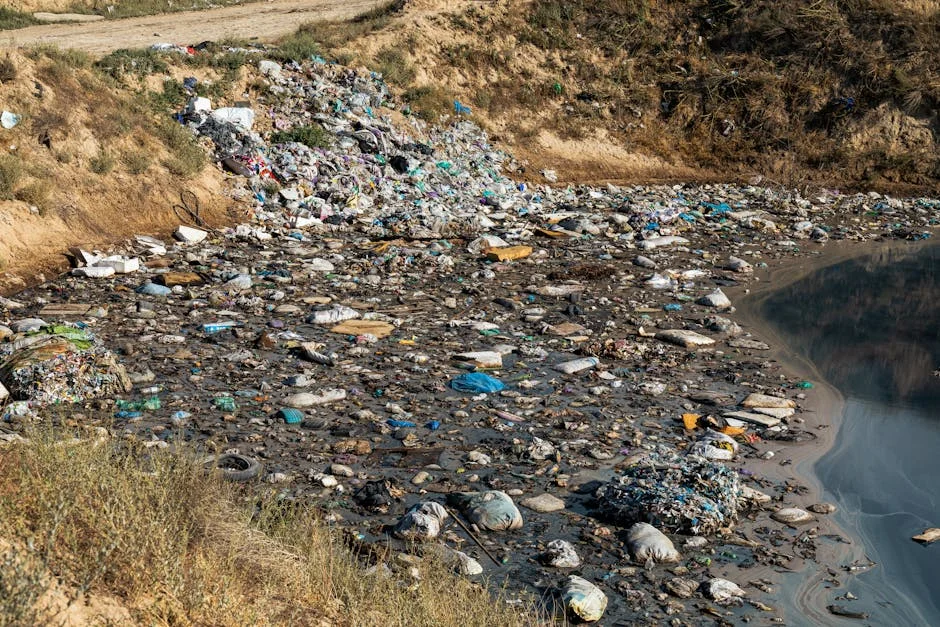
The closure of the waste management firm came after a series of inspections revealed significant violations of environmental regulations. The company was found to be dumping hazardous waste improperly, posing serious health risks to local communities. NESREA officials stated that the firm lacked the necessary permits and had been operating without oversight for several years.
Implications for Environmental Policy and Governance
This incident sheds light on the broader issues of governance and regulatory enforcement in Nigeria. For years, illegal waste management has been a persistent problem, exacerbated by corruption and a lack of resources to monitor compliance. The government's action is a critical step towards restoring public trust in environmental governance and ensuring that companies adhere to established laws.
Aligning with African Development Goals
The closure aligns with several African development goals, particularly Goal 11, which aims to make cities inclusive, safe, resilient, and sustainable. Effective waste management is crucial for achieving sustainable urban development. By addressing illegal waste practices, Nigeria not only protects its citizens but also moves closer to achieving its commitments under the African Union's Agenda 2063, which emphasises sustainable environmental practices.
Health Risks and Community Impact
Communities surrounding the illegal waste management site have reported increased health issues, including respiratory problems and skin diseases attributed to exposure to toxic waste. The government's intervention is expected to alleviate these health concerns and foster a cleaner environment. However, it also raises questions about the enforcement of environmental standards and the future of waste management in Nigeria.
Opportunities for Sustainable Development
Looking ahead, this situation presents an opportunity for Nigeria to rethink its waste management strategies. The government could invest in sustainable waste management solutions that not only comply with regulations but also contribute to economic growth. Innovations in recycling and waste-to-energy technologies can create jobs and promote a circular economy, reducing the dependency on landfills.
What to Watch Next
As the government moves to enforce stricter regulations, stakeholders should monitor the development of new policies aimed at improving waste management practices. Citizens, environmental groups, and private sector actors must collaborate to ensure that future waste management frameworks are effective and sustainable. The recent closure serves as a crucial reminder of the importance of environmental stewardship in Nigeria’s development agenda.