Egypt's tourism sector demonstrates remarkable resilience amidst escalating regional tensions, with recent data revealing a strong influx of visitors during the ongoing political unrest in neighbouring countries. This ongoing trend raises critical questions about the broader implications for African development and economic growth.
Tourism Boom in Egypt: Key Statistics
In recent months, Egypt has reported a 30% increase in tourist arrivals compared to last year, with over 10 million visitors expected by the end of 2023. This surge is attributed to the country's extensive marketing campaigns and the stabilisation of key tourist locations like the Pyramids of Giza and Luxor. Business Africa highlights that Egypt is set to generate approximately $12 billion from tourism alone this year, underlining the industry's pivotal role in the national economy.
Regional Tensions: A Double-Edged Sword
While Egypt thrives, neighbouring countries such as Libya and Sudan have experienced significant instability, leading to a diversion of tourism traffic. Egypt's relative safety and the government's proactive measures to secure tourist sites have attracted visitors seeking alternatives. However, this situation raises concerns regarding the long-term viability of such growth amid ongoing regional issues.
The Role of Governance in Tourism Development
The Egyptian government's commitment to improving infrastructure and enhancing security measures has played a crucial role in bolstering tourism. Investments in transport services, hospitality, and entertainment venues have made the country more appealing to international visitors. This focus aligns with the African Union's Agenda 2063, which emphasises infrastructure development and governance as vital components for achieving sustainable economic growth.
Opportunities for Other African Nations
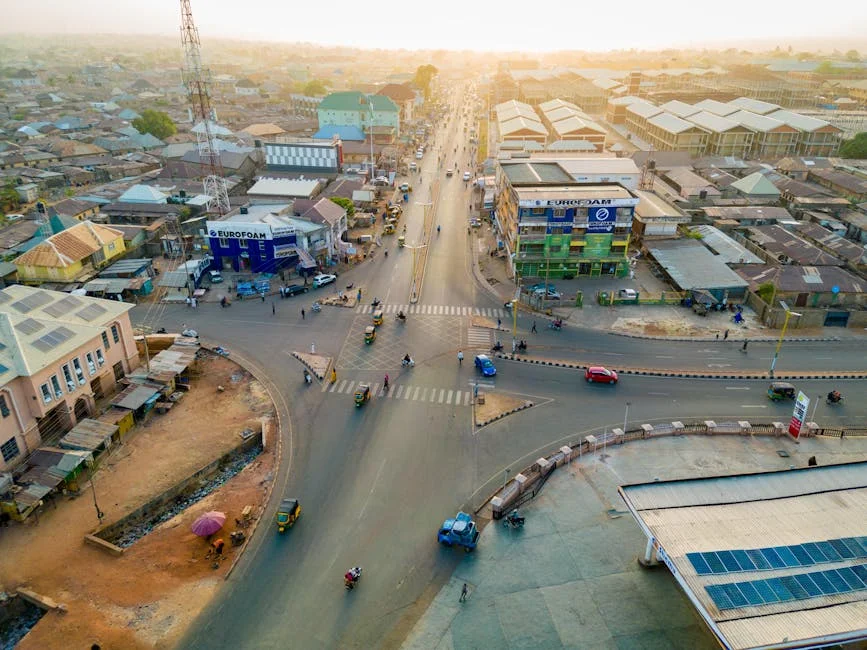
Egypt's success story serves as a case study for other African nations, particularly Nigeria, which struggles with similar challenges in tourism development. As Business Africa developments explained, the lessons from Egypt can inform strategies to enhance Nigeria's tourism sector, leveraging its vast cultural heritage and natural resources. By prioritising governance, infrastructure, and marketing, Nigeria could see a significant boost in its tourism revenue.
What Lies Ahead for Egypt and Africa?
As Egypt's tourism sector continues to thrive, stakeholders must remain vigilant about the implications of regional instability. The success of tourism can serve as a catalyst for broader economic growth, but it also highlights the urgent need for collaborative efforts among African nations to address continental challenges. Stakeholders should watch for upcoming initiatives aimed at enhancing intra-African tourism and fostering partnerships that can increase resilience against external shocks in the future.