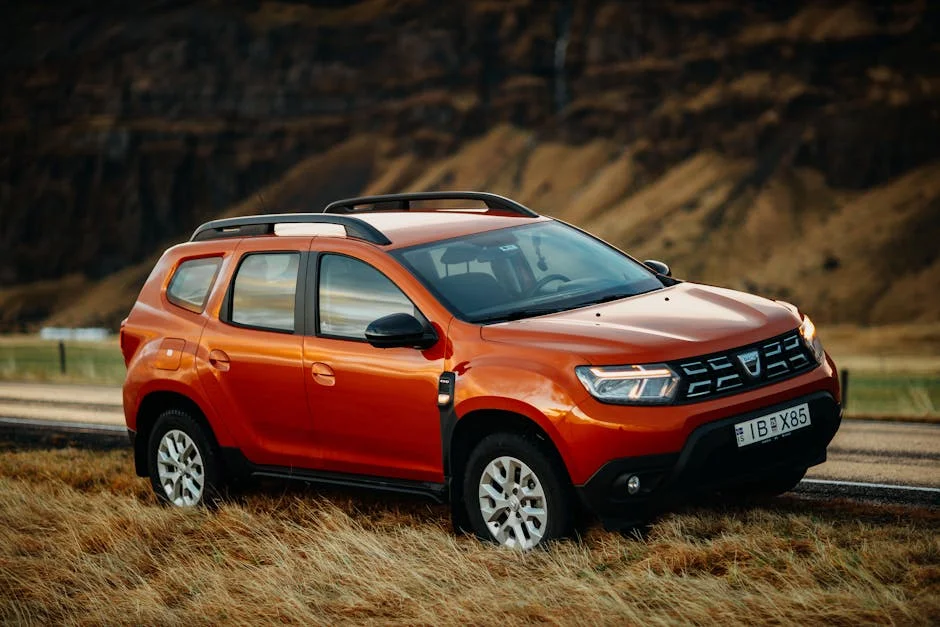
Dacia revealed its new Striker model on October 10, embedding itself further into the competitive crossover market. The latest offering from the Romanian automotive manufacturer aims to expand its reach in Nigeria, where demand for affordable and reliable vehicles has surged in recent years.
Dacia Striker Set to Compete with Established Rivals
The Dacia Striker, positioned as a crossover utility vehicle, is expected to rival popular models such as the Duster and Sandero. This latest addition reflects Dacia's commitment to providing cost-effective transport solutions tailored to the needs of African consumers. As Nigeria's automotive market continues to grow, the introduction of the Striker could reshape consumer choices and influence pricing strategies among competitors.
Understanding the Impact of the Dacia Striker on Nigeria
Nigeria's automotive landscape is defined by a blend of local demand for affordability and a push for improved infrastructure. The Dacia Striker's affordability could make it an attractive option for many Nigerians, especially considering the ongoing struggles with transportation costs. With the current economic climate, a reliable vehicle like the Striker could provide essential mobility for families and businesses alike.
The Role of Vehicles like the Striker in African Development Goals
As part of the broader African development goals, enhancing mobility is crucial for economic growth. The Dacia Striker can contribute to this by facilitating better access to markets, healthcare, and education. Reliable transportation is a linchpin for many sectors, allowing smoother logistics and improved supply chains. By catering to a segment of the population seeking affordable vehicles, Dacia directly aligns with objectives aimed at reducing poverty and promoting sustainable economic practices.
Infrastructure Challenges and Opportunities in Nigeria
Nigeria faces significant infrastructure challenges, including unreliable roads and inadequate public transport. The introduction of robust vehicles such as the Striker could aid in navigating these issues, offering a more dependable alternative for commuters and businesses alike. Furthermore, the presence of Dacia in Nigeria could stimulate local manufacturing and assembly, creating jobs and bolstering the economy.
What to Watch for Next in the Auto Sector
As the Dacia Striker enters the market, industry observers will be keen to see how it performs against established rivals. The response from consumers and its potential impact on pricing strategies in the Nigerian auto sector will be crucial. Additionally, the success of the Striker may encourage other manufacturers to invest in the Nigerian market, fostering competition and innovation.