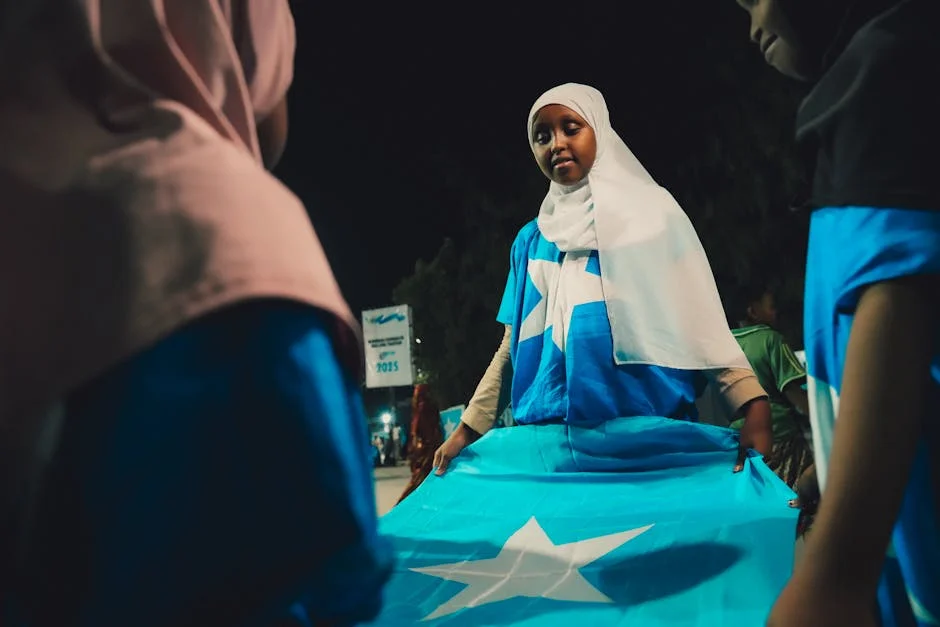
Somalia's government announced a major reform on Tuesday, revealing that lawmakers will now be directly elected by the public. This pivotal change marks a significant shift towards democratic governance in a nation that has faced decades of instability.
Transforming Governance in Somalia
The move towards direct elections in Somalia, announced by President Hassan Sheikh Mohamud, is aimed at empowering citizens and increasing accountability within the political system. For years, the country has relied on a complex indirect electoral process, which has often led to allegations of corruption and disenfranchisement of the electorate. The government hopes that this new constitution will foster greater political engagement and transparency.
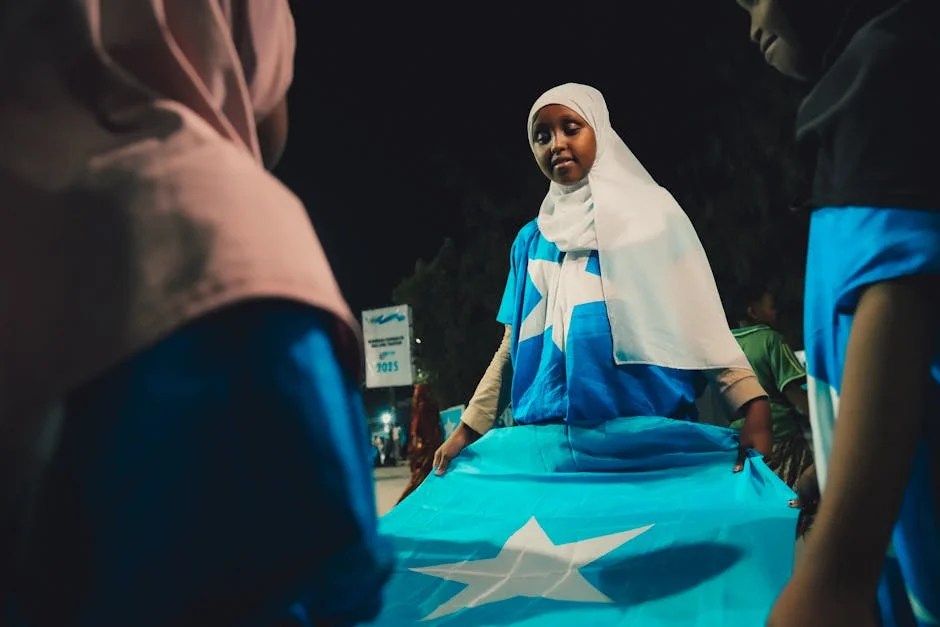
The Road to a New Constitution
The introduction of direct elections is part of a broader constitutional reform process that aims to lay the groundwork for a stable democratic system. Somalia has struggled with governance since the collapse of its central government in 1991, resulting in prolonged conflict and humanitarian crises. The current constitution, which was adopted in 2012, has undergone various amendments and discussions, with this latest step being a significant milestone in the nation’s political evolution.
Impact on African Development Goals
This reform aligns closely with the African Union's Agenda 2063, which emphasises the importance of good governance, democracy, and accountability as essential components for sustainable development across the continent. By ensuring that lawmakers are directly elected, Somalia is taking a crucial step towards enhancing its governance structures, which is critical for attracting investment, improving public services, and fostering economic growth.
Challenges and Opportunities Ahead
While the announcement is a promising development, Somalia faces numerous challenges that could hinder the successful implementation of direct elections. Security remains a pressing concern, particularly with the ongoing threat from militant groups such as Al-Shabaab. Moreover, the political landscape is fragmented, and entrenched interests may resist changes that threaten their power. However, if these challenges are addressed, the potential for a more representative government could lead to improved infrastructure, health, and education outcomes for Somalis.
What’s Next for Somalia?
In the coming months, the Somali government will need to outline the practical steps necessary to implement direct elections, including voter registration and security measures at polling stations. International observers and organisations will likely play a crucial role in supporting this process, ensuring that elections are free, fair, and transparent. As Somalia continues to navigate its political transformation, the world will be watching closely to see if these reforms can pave the way for a more stable and prosperous future.