Bihar's upcoming election for Chief Minister is sparking intense speculation about the future leadership in the state, with multiple contenders emerging in the race. As the political climate heats up ahead of the elections scheduled for next month, observers are keen to understand the implications for both India and its connections to African nations, particularly Nigeria.
Key Contenders Emerge as Bihar Politics Heat Up
In Bihar, the political arena is increasingly crowded as various parties prepare to announce their candidates for the Chief Minister position. Current Chief Minister Nitish Kumar of the Janata Dal (United) is seeking re-election, but faces formidable challengers. The Rashtriya Janata Dal (RJD), led by Tejashwi Yadav, and the Bharatiya Janata Party (BJP) are both positioning themselves for a strong campaign. With Bihar's political dynamics shifting, the outcome of this election could have broader implications beyond state borders.
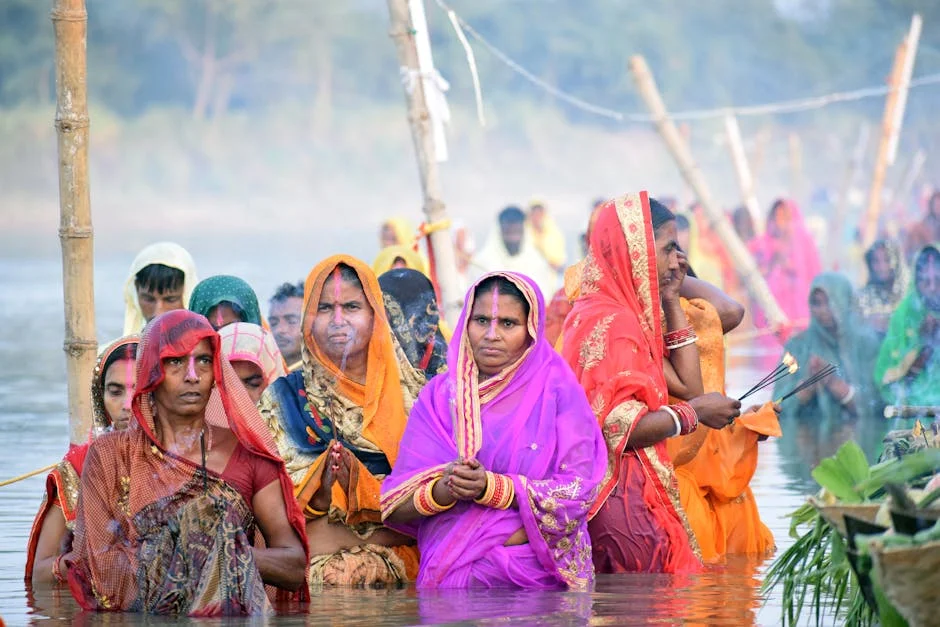
The Stakes: Why Bihar's Election Matters
Bihar, the third most populous state in India, has significant influence on national politics. The outcome of its Chief Minister election can affect policies that resonate globally, particularly in regions facing similar governance challenges, such as Nigeria. With Bihar's development goals focusing on infrastructure, health, and education, the election results could set precedents that inform governance strategies in African nations. As Nigeria grapples with its own challenges, including economic growth and infrastructure deficits, learning from Bihar's successes and failures becomes crucial.
Infrastructure and Development: A Pan-African Perspective
The election in Bihar is not just about local governance; it reflects broader themes relevant to African development goals. Infrastructure development, health outcomes, and educational initiatives in Bihar serve as a case study for Nigeria and other African countries striving for similar progress. For instance, Bihar's investment in rural education has led to improved literacy rates, a model that Nigeria, with its own educational hurdles, could learn from. Addressing the infrastructure gap in Bihar provides insights into potential strategies for Nigeria's own infrastructural challenges.
Bihar's Political Climate: A Mirror to African Governance Challenges
The political contest in Bihar mirrors the governance challenges faced across Africa. Issues such as corruption, political instability, and the need for transparent leadership resonate in both contexts. The candidates' approaches to these issues during the election campaign could offer lessons for Nigeria as it seeks to enhance its governance framework. Observers will be watching closely to see how the candidates address these challenges, and what their strategies could mean for fostering economic growth and stability.
What to Watch: The Implications for Nigeria and Beyond
As Bihar prepares for its Chief Minister election, the implications for Nigeria and other African nations are significant. The results may influence bilateral relations between India and African states, particularly in areas such as education, health, and economic cooperation. Analysts suggest that a successful governance model in Bihar could inspire similar initiatives in Nigeria, promoting collaborative approaches to common challenges. In the coming weeks, all eyes will be on Bihar, not just for its political outcome but for the lessons it may impart on governance and development across continents.