Nigeria's fashion industry has been officially valued at an impressive $4.7 billion, reflecting a significant growth trajectory as local designers increasingly secure international contracts. This burgeoning sector not only showcases the creativity and craftsmanship of Nigerian designers but also promises substantial economic benefits for ordinary Nigerians, with job creation and increased global visibility at the forefront.
The Rise of Nigerian Fashion
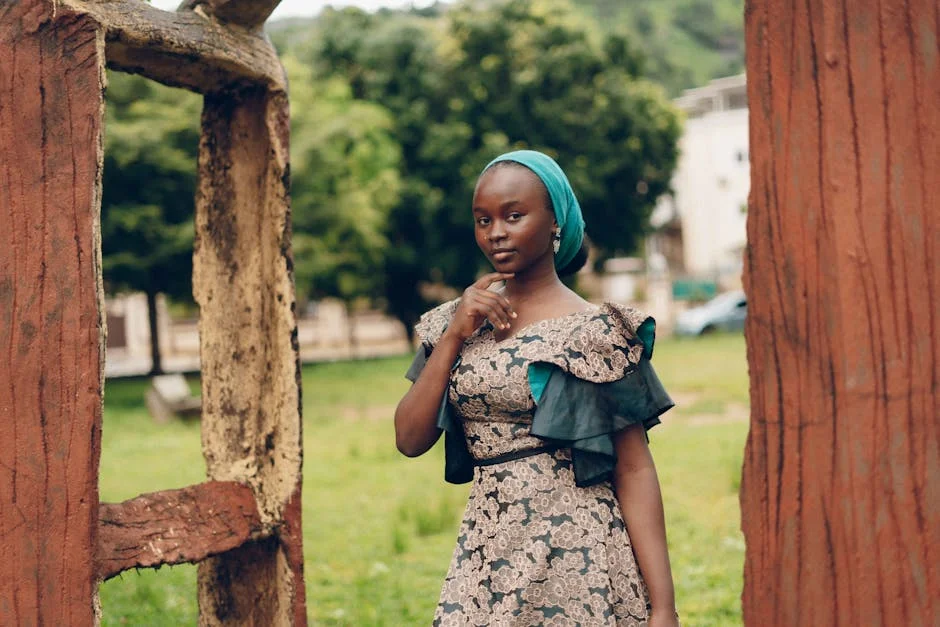
Over the past few years, the Nigerian fashion industry has experienced a remarkable transformation, evolving from a localised market to a global player. This change has been facilitated by the rise of social media and digital platforms, which have provided designers with unprecedented access to international markets. Designers such as Deola Sagoe, Lisa Folawiyo, and Tsemaye Binitie have garnered attention on global platforms, winning contracts that showcase Nigerian artistry on the world stage.
A Booming Economic Sector
The latest valuation indicates that the Nigerian fashion industry is not only vibrant but also a crucial contributor to the country's economy. According to the Nigerian Export Promotion Council (NEPC), the sector has the potential to create millions of jobs and generate significant revenue. This was echoed by the NEPC's Executive Director, Mr. Segun Awolowo, who stated, “The fashion industry is a key driver of economic growth in Nigeria. With the right support and investment, we can see this sector flourish, benefiting not just designers but the entire economy.”
- Job Creation: The industry is expected to create numerous jobs in areas ranging from design and manufacturing to retail and marketing.
- Export Opportunities: With international contracts, Nigerian designers can tap into global markets, enhancing export revenues.
- Skill Development: The growth of the fashion industry necessitates training and skills development, empowering the local workforce.
Impact on Ordinary Nigerians
The flourishing fashion industry has a direct impact on the lives of many Nigerians. As designers gain recognition and secure contracts, there is a ripple effect that benefits communities and individuals. For many artisans, seamstresses, and tailors, opportunities abound as they collaborate with these designers to produce high-quality garments.
“Working with established designers has allowed me to hone my skills and earn a better income,” said Oluwaseun Adeyemi, a tailor from Lagos. “This industry is changing lives, and I’m proud to be a part of it.” Such sentiments are common among those involved in the fashion supply chain, highlighting the industry's role in improving livelihoods.
Global Recognition and Cultural Exchange
Nigerian fashion is increasingly being recognised on international platforms, paving the way for cultural exchange and collaboration. Events such as Lagos Fashion Week have gained traction, attracting global attention and participation. Designers are not only showcasing their work but also sharing the rich cultural heritage of Nigeria, thus fostering a deeper appreciation for African artistry worldwide.
“We are not just selling clothes; we are telling a story,” said fashion designer Lisa Folawiyo. “Every piece embodies our culture and creativity, and the world is starting to take notice.”
Challenges Ahead
Despite the promising growth, the industry faces several challenges that could hinder its progress. Issues such as access to funding, inadequate infrastructure, and piracy remain significant obstacles. Designers often struggle to obtain the financial backing required to scale their businesses or invest in new collections. Moreover, the prevalence of counterfeit products undermines the hard work and creativity of legitimate designers.
“We need the government to step in and provide more support, especially in terms of funding and protecting intellectual property,” said fashion entrepreneur Tsemaye Binitie. “With the right policies in place, we can build an industry that thrives and represents Nigeria positively on the global stage.”
Looking Forward
As the Nigerian fashion industry continues to evolve, the potential for growth remains vast. Stakeholders are optimistic that with increased investment, support from the government, and collaboration between designers and artisans, the industry can overcome its challenges and expand further.
In conclusion, the $4.7 billion valuation of Nigeria's fashion industry is a testament to the hard work and creativity of its designers. As they win international contracts and gain global recognition, the impact on ordinary Nigerians is profound, promising job creation, economic growth, and a vibrant cultural exchange. The future looks bright for Nigerian fashion, and with continued support, it is set to soar to even greater heights.