Eko Atlantic City, a groundbreaking urban development project on the coast of Lagos, has reached an impressive 60% occupancy rate, marking a significant milestone in its evolution as a commercial hub. This surge in occupancy comes as businesses increasingly relocate to the Lagos coast, drawn by the promise of modern infrastructure, security, and a vibrant commercial environment.
Transforming the Lagos Landscape
Conceived as a response to the challenges posed by climate change and urban congestion, Eko Atlantic City is not just a real estate venture but a carefully planned ecological and urban development. Spanning over 10 square kilometers, it is designed to be a self-sustaining city with residential, commercial, and recreational areas that utilize cutting-edge technology and sustainable practices.
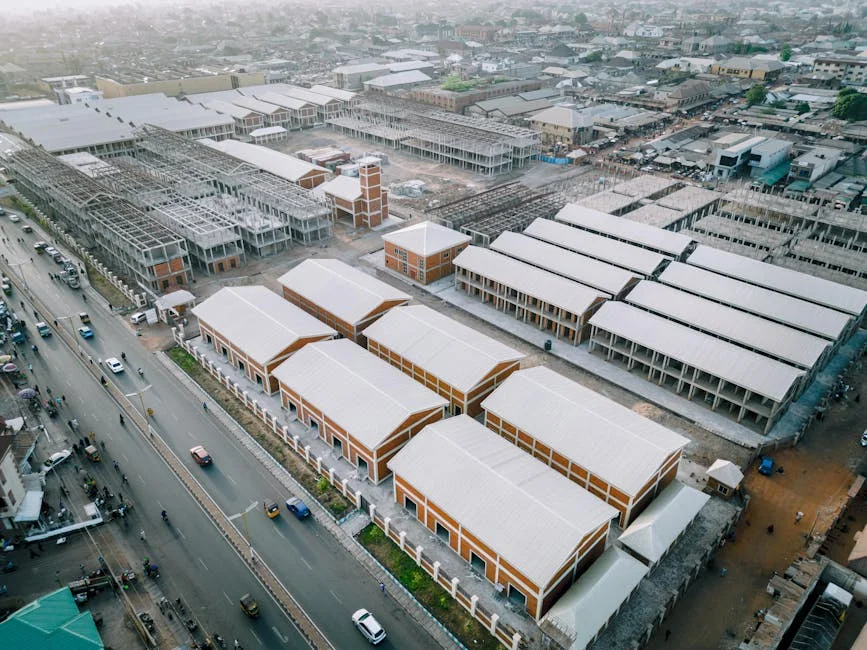
The project's developers have invested heavily in creating an environment that mitigates the risks of flooding, a critical concern in Lagos, which is prone to heavy rainfall and rising sea levels. By constructing a robust sea wall, Eko Atlantic City provides a shield against coastal erosion and flooding, making it an attractive location for businesses seeking stability.
Business Relocation Trends
As Lagos continues to grow, the demand for modern office spaces has skyrocketed. According to recent reports, businesses are increasingly moving their operations to Eko Atlantic City, where they can benefit from state-of-the-art facilities and a conducive business environment. Prominent companies in finance, technology, and real estate are among those that have made the shift.
"The occupancy rate of 60% is a testament to the confidence that businesses have in Eko Atlantic City as a prime location for their operations,"
said Mr. Akinwunmi Ambode, the former Governor of Lagos State. "This development is not just about creating a space for businesses; it's about creating a vibrant ecosystem that supports economic growth and job creation."
Impact on Ordinary Nigerians
The emergence of Eko Atlantic City is set to have a profound impact on ordinary Nigerians. With the influx of businesses comes the promise of job creation and increased economic activity in the surrounding areas. Local residents are likely to benefit from improved infrastructure and services, including better roads, schools, and healthcare facilities.
- Job Opportunities: As businesses establish themselves in Eko Atlantic City, thousands of jobs are expected to be created, providing employment for many Lagos residents.
- Infrastructure Development: The project has already led to significant improvements in local infrastructure, enhancing access to transportation and essential services.
- Economic Growth: Increased business activity is likely to stimulate the local economy, benefiting small businesses and service providers.
However, some experts caution that the rapid development of Eko Atlantic City must be accompanied by careful planning to ensure that the needs of local communities are met. Dr. Ngozi Okonjo-Iweala, an economist and former finance minister, emphasized the importance of inclusive growth.
"While the development of Eko Atlantic City is a positive step towards modernizing Lagos, it is crucial that the benefits of this growth are shared with all citizens,"
Dr. Okonjo-Iweala stated. "We must ensure that local communities are not left behind as new businesses move in."
Future Prospects
Looking ahead, the prospects for Eko Atlantic City appear bright. With plans for further expansion and the introduction of additional amenities, including recreational areas and cultural spaces, the city is poised to become a leading destination for both local and international businesses. The Lagos State Government has also expressed its commitment to supporting the growth of this ambitious project, recognizing its potential to transform the economic landscape of the state.
As Eko Atlantic City continues to develop, it will serve as a model for future urban projects in Nigeria and across West Africa. Its success could pave the way for similar initiatives that focus on sustainability and resilience, addressing the pressing challenges that urban areas face in the 21st century.
Conclusion
With a 60% occupancy rate achieved, Eko Atlantic City stands as a beacon of hope for economic revitalization in Lagos. As more businesses relocate to the coast, the benefits are expected to ripple through the community, providing opportunities and fostering a new era of growth. As stakeholders continue to navigate the complexities of urban development, the importance of inclusive policies and sustainable practices cannot be overstated.