The Lake Chad Restoration Project has received a significant boost with the announcement of an $800 million international funding package aimed at revitalizing one of Africa's most critical water bodies. This initiative, driven by collaborative efforts from various international organizations and governments, seeks to address the environmental degradation and humanitarian crises resulting from the lake's shrinkage over the past several decades.
Context: The Lake Chad Crisis
Once one of Africa's largest lakes, Lake Chad has lost over 90% of its surface area since the 1960s. This drastic reduction has had dire consequences for millions of people who rely on its waters for drinking, fishing, and agriculture. The lake is bordered by Nigeria, Chad, Cameroon, and Niger, impacting the livelihoods of approximately 30 million people in the region.
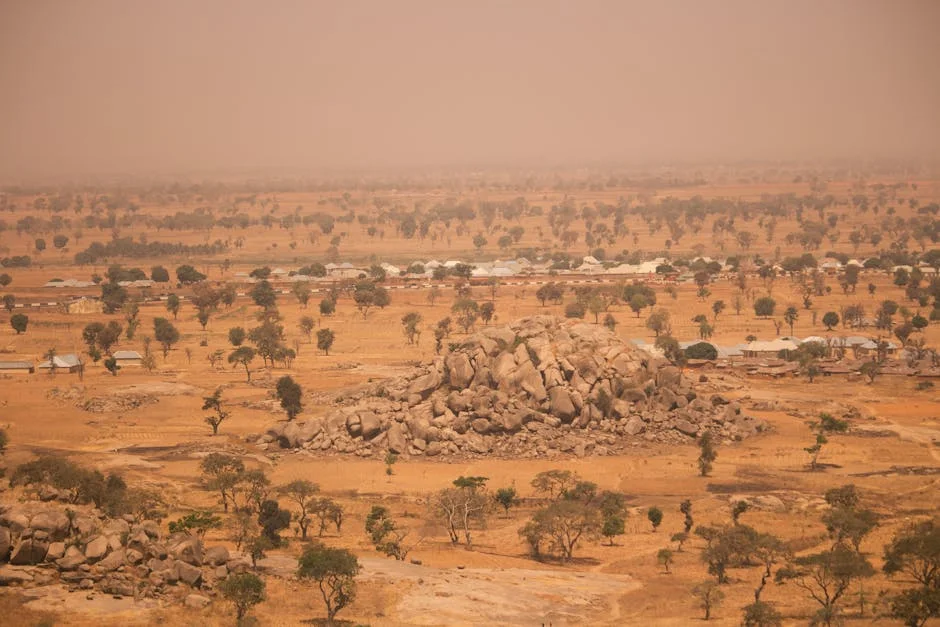
The shrinking lake has not only resulted in economic hardships but has also intensified security issues, contributing to conflicts over dwindling resources. The resultant displacement of communities has further exacerbated humanitarian challenges, necessitating urgent and sustainable solutions.
International Response and Funding
The recent funding announcement, facilitated by the African Development Bank (AfDB) and supported by various international donors, is expected to play a crucial role in the restoration efforts. The funds will be allocated towards various initiatives, including irrigation projects, sustainable fishing practices, and reforestation efforts in the surrounding areas.
- Irrigation Projects: Introducing efficient irrigation systems to improve agricultural productivity.
- Sustainable Fishing Practices: Training local fishermen in sustainable techniques to prevent overfishing.
- Reforestation Efforts: Restoring vegetation around the lake to combat soil erosion and improve biodiversity.
Impact on Ordinary Nigerians
For ordinary Nigerians living in the Lake Chad basin, this funding represents a beacon of hope. The revitalisation of Lake Chad is expected to restore livelihoods and enhance food security. Local farmers and fishermen are particularly optimistic about the potential benefits of improved resource management.
"The lake is our life. Without it, we struggle to survive. This funding gives us hope that we can return to our former ways of life,"
said Aisha Mohammed, a local farmer from Borno State. Her sentiments reflect the urgency of the situation, as many families have faced economic hardships due to the lake's degradation.
Government and Expert Perspectives
Nigeria's Minister of Environment, Mohammed Abdullahi, expressed optimism regarding the project, stating, "The restoration of Lake Chad is not just an environmental issue; it is a humanitarian imperative. We must work together to ensure that our people can thrive and that this vital resource is protected for future generations."
Dr. Jibril Ibrahim, an environmental scientist and advocate for sustainable development, reiterated the importance of international collaboration. "This funding is a critical step towards restoring ecological balance and addressing the socio-economic challenges faced by communities around Lake Chad. However, it is essential that we implement these projects with full community involvement to ensure their success."
Challenges Ahead
While the funding is a welcome development, experts caution that significant challenges remain. Issues such as political instability, climate change, and inadequate infrastructure could hinder the effective implementation of the restoration projects. Additionally, there is a pressing need for continuous monitoring and evaluation to ensure that the funds are utilized effectively and sustainably.
Conclusion: A Path Forward
The $800 million funding for the Lake Chad Restoration Project marks a pivotal moment in the fight against environmental degradation and humanitarian crises in the region. With collaborative efforts from the government, local communities, and international partners, there is hope for restoring Lake Chad and improving the lives of millions who depend on its resources.
As stakeholders prepare to mobilize these funds, the focus will remain on sustainable practices that not only address immediate needs but also secure the future of Lake Chad and its surrounding communities. The journey towards restoration is long, but the commitment to revitalizing this crucial resource is stronger than ever.