In a surprising turn of events, class 6 students were caught on CCTV evaluating class 10 exams in Satara, raising concerns over the accuracy and fairness of board exam evaluations. This unusual incident has sparked discussions about the quality of educational practices in Nigeria.
Unexpected Role Reversal in Satara
The incident occurred in Satara, a town located in the western part of Nigeria. According to reports, class 6 students were seen grading papers that were meant for class 10 students. The discovery was made when school staff reviewed the CCTV footage from the day of the exams.
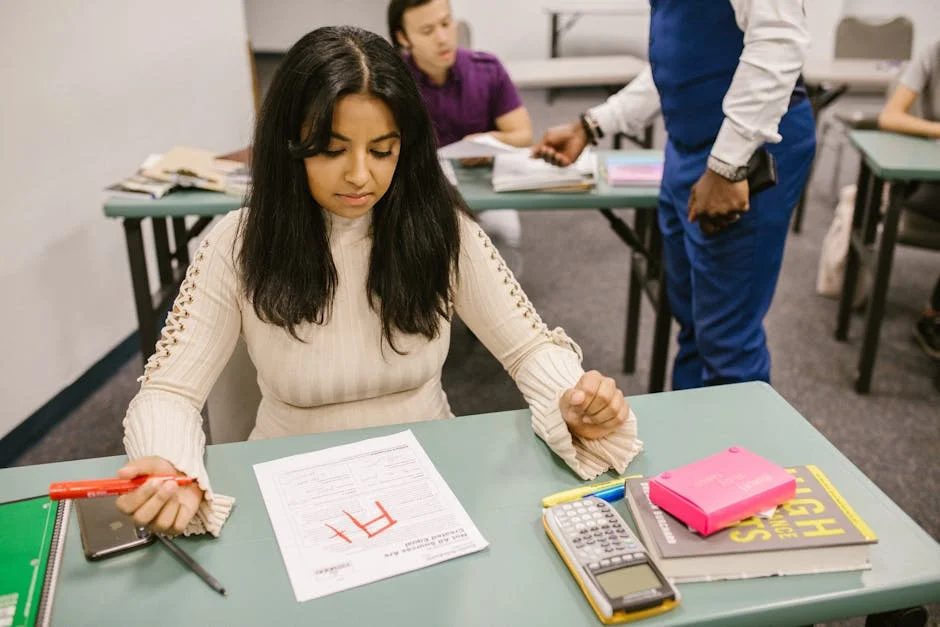
This unexpected role reversal highlights a potential gap in the supervision and oversight of educational processes within the Nigerian school system. It also raises questions about the training and qualifications of those responsible for marking important examinations.
Concerns Over Exam Accuracy and Fairness
The incident has led to widespread concern among parents, educators, and students alike. Many are questioning whether the class 10 exam results can be trusted given that they were evaluated by younger students. This doubt could have significant implications for the future academic prospects of the class 10 students involved.
Education experts have noted that such an occurrence is rare but not unprecedented. In previous years, similar incidents have been reported across different parts of Africa, indicating that there may be broader issues with exam evaluation processes on the continent.
Nigeria's Quest for Quality Education
The findings in Satara align with Nigeria's ongoing efforts to improve the quality of its education system. The country has set ambitious targets for increasing access to primary and secondary education, as well as enhancing the skills and knowledge of its young people.
However, challenges remain in achieving these goals. Issues such as understaffing, inadequate resources, and sometimes poor administrative practices continue to hinder the progress of the education sector. The Satara incident serves as a reminder of the importance of addressing these challenges to ensure that all students receive fair and accurate evaluations.
African Development Goals and Educational Challenges
The situation in Satara reflects broader challenges faced by many African countries in their pursuit of quality education for all. Across the continent, there is a focus on improving educational infrastructure, teacher training, and curriculum development.
For Nigeria, the incident underscores the need for continuous monitoring and improvement in educational practices. By addressing such issues, the country can move closer to achieving its development goals and providing its children with the best possible start in life.
Looking Ahead: What to Watch Next
Educators and policymakers in Nigeria will likely be closely watching how this incident is resolved and what steps are taken to prevent similar occurrences in the future. There may be calls for more stringent checks on exam evaluation processes and increased support for teachers and staff involved in marking.
The broader context of African development also suggests that this incident could serve as a catalyst for further improvements in educational standards across the continent. As countries work towards their shared goals of enhancing human capital and fostering economic growth, ensuring fair and accurate assessments will be crucial.